The post Acrylic-Resin Based Dispersant for Ceramic and Tile Slurries appeared first on Simab Resin.
]]>Ceramic and Tile Slurries utilize dispersants created from acrylic resins to increase the rheological (flow) properties of ceramic slurries. Dispersants create a uniform distribution of particles in the ceramic slurry, which prevents agglomeration and flocculation of the particles. By improving the viscosity of a ceramic slurry and increasing flowability, they allow for better flow during ceramic tile production and improving efficiency for forming, as well as, the operations of producing ceramic tiles. Recently, water-soluble acrylic-based polymers have been classified as the best-performing dispersants for tile and ceramic slurry applications, allowing for exceptional abilities in dispersing, maintaining stability, offering anti-scaling properties, and providing superior rheological performance for ceramic slurries.
The Importance of Acrylic-Based Dispersants in the Ceramic Industry
High solids content and controlled viscosity in a ceramic slip are fundamental to all ceramic manufacturing. Historically, sodium silicate and polyphosphate are the primary dispersants used for particle dispersion in ceramic slips. Although these materials can improve fluidity of a slurry through a sharp rise in pH and provide negative charges on the particle surface, there also disadvantages to their use; e.g., sensitivity to impurities, difficulty in determining optimum dosage, and if overdosed, will increase the viscosity and sludge formation in a slip.
The introduction of acrylic dispersants has changed the way this work is performed. Research has demonstrated that polyacrylate salts (e.g., sodium polyacrylate or ammonium polyacrylate) are highly effective deflocculating agents and control the stability and fluidity of ceramic slips. In comparison to traditional inorganic dispersants, acrylic polymers can provide the same or superior effects while using a significantly lower dosage, and allow for better control of the chemical properties (including pH) of the mixed slip. This means less acrylic additive is needed to achieve the same or better fluidizing effects than were available with many times more sodium silicate or sodium carbonate.
Acrylic dispersants provide an advantage by allowing higher solids loading within a given batch/slurry as well as allowing for an easier exploration of milled solids from ball mills.
When a slurry is added with acrylic dispersants particles have a uniform dispersion and thus there is less space between the particles. Higher solids content in slurries will still be able to have a fluid or workable nature. The result will be that as a consequence of these improvements in slurry flow in the ceramic production lines it will require less water; this will lead to less energy consumption for the spray dryer due to lower drying time, reduced drying defect (drying crack) and higher production throughput. Furthermore, the reduction of sedimentation will allow for easier storage and transportation of slurries when applied on a continuous basis.
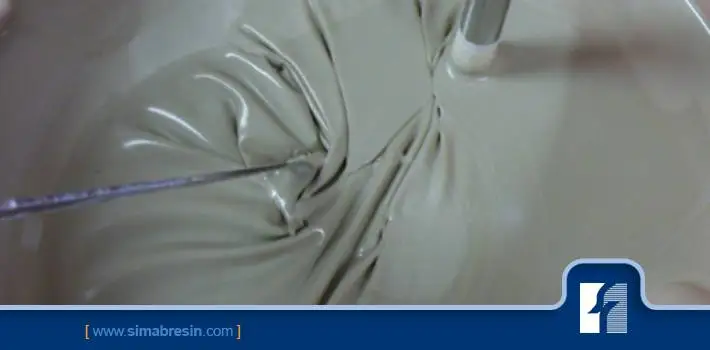
Structure and Mechanism of Acrylic Dispersants
Dispersants based on acrylics are commonly found as ionic, water-soluble polymers with a general name of sodium or ammonium polyacrylate. The structure contains a backbone made up of acrylic acid neutralized to form the following type of salts; sodium polyacrylate (i.e., the salt). Each unit in the chain is represented by the general formula –[CH₂–CH(COONa)]ₙ– and they have a number-average molecular weight which can fall between 1,000 and 20,000 g/mol. The principal functional groups of the acrylic polymer chain that provide effective dispersing action are the COO⁻ groups. These COO⁻ groups bind electrostatically to the surface of the suspended particles in a slurry giving the surfaces of the suspended particles a substantial negative charge. The result of the negative charge on the particles causes the particles to repel each other electrostatically preventing them from reflocculating. Scientifically, the electrostatic repulsion causes the zeta potential to be increased for polyacrylate and increases the repulsive force which allows more room for the particles to remain dispersed creating more stable slurry’s and creating slurries that run much more fluid than typical slurries exhibiting Newtonian or pseudoplastic behaviours.
Changed polycarboxylate ethers (PCE) as more advanced acrylic dispersants using comb or branched architectures. Polycarboxylate ether is a type of modified polyacrylate, which contains ether side chains (polyethylene oxide) rather than only a carbon backbone. The presence of non-ionic side chains provides both an electrostatic repulsion and steric hindrance effect that leads to improved dispersion properties compared to linear polyacrylate dispersants. Therefore, the combined effect of the electrostatic repulsion and steric hindrance contributes to the best performance of comb-shaped polycarboxylate dispersants, and enables the user to stabilise very high solids loading at lower polymer dosages than would be offered by linear polymer dispersants. Research indicates that branched polycarboxylates are able to reduce viscosity more effectively than linear polyacrylate dispersants and maintain longer-lasting dispersion stability.
Impact on Slurry Rheology and Flow in Production Lines
Acrylic dispersants change the overall characteristics of a ceramic slurry’s viscosity behaviour. When polyacrylate is added to the slurry, the viscosity is reduced and the slurry becomes more liquid-like (the “flow-ability” of the slurry). This process of lowering the viscosity of the slurry at low shear rates (e.g., while the slurry is sitting still or is being pumped at a slow rate through a pipe) makes pumping ceramic slurries easier and helps to make the transport of ceramic slurries more uniform. Increased flow-ability through pipes, spray dryer nozzles and shaping equipment makes it far less likely for the ceramic slurry to develop problems such as blockage in pipes, fluctuations in flow rate, or concentrating of solids into a layer on the bottom of the tank.
Acrylic dispersants also have another major effect on ceramic slurries: Reduced sedimentation and phase separation in ceramic slurries. This occurs due to the stable dispersion and ionic stabilization of the ceramic particles so that there are no solid sediment deposits building up at the bottoms of tanks and the slurry is completely homogeneous for long periods of time. This characteristic is necessary for processes where the ceramic slurry is stored or transported for a long distance. A stable suspension ensures uniformity of the slurry properties along the entire assembly line and there is reduced waste of materials as well.
The practical advantages associated with the use of acrylic-based dispersants include both an economic and a technical benefit. The efficiency of wet milling/slurries is improved by reducing the viscosity, preventing the clay paste from adhering to the grinding media or mill walls, thus allowing for better grinding of the particles. Additionally, as mentioned, achieving a higher solids content means that less time and cost is involved in drying the product during the spray-drying processes. Overall, when acrylic dispersants are included in ceramic slurry formulations, the product will be produced at a more consistent level of quality, using less energy, and there will be fewer defects in the final products due to particle segregation and/or entrapment of air.
Comparison of Acrylic Dispersant Types and Their Performance
To clarify the relative performance of different acrylic-based dispersants, the table below summarizes the two main types commonly used in ceramic slurries, along with their mechanisms and advantages:
| Type of Acrylic Dispersant | Polymer Structure & Dispersion Mechanism | Advantages & Characteristics |
| Linear Polyacrylate (Sodium/Ammonium) | Linear polyacrylate chain without side branches; strong electrostatic repulsion generated by adsorbed COO⁻ ions on particle surfaces | Effective viscosity reduction at low dosage; improved slurry stability through increased particle surface charge; suitable replacement for traditional inorganic dispersants (e.g., silicates) due to higher efficiency and easier control |
| Sodium Tripolyphosphate (STPP) | Inorganic sodium tripolyphosphate salt with condensed anionic phosphate structure; releases multivalent anions in water that adsorb onto clay/oxide particles, increasing negative charge and zeta potential, preventing reflocculation, improving dispersion, and lowering viscosity | A well-known, economical deflocculant with strong viscosity-reducing power; enables higher solids loading and improved flow during molding and transfer; reduces sedimentation; suitable for initial formulation optimization although its effectiveness is strongly dosage-dependent and overdosing can increase viscosity and reduce stability |
| Comb-Type Polycarboxylate Ether (PCE) | Modified polyacrylate with ether-based side chains (comb structure); provides electrostatic repulsion plus steric hindrance | Very high dispersing efficiency even at high solids loading; greater viscosity reduction than linear polyacrylates; maintains fluidity over longer periods (high dispersion durability); allows greater water reduction and energy savings by achieving target viscosity at higher solids levels |
The chart indicates that both categories of acrylic materials utilize the same two means of dispersion for both applications; electrostatic repulsion and steric hindrance for comb-type formulations, via their polymeric structure.
As a result of their respective polymeric structures, there exists a difference between the two classes of acrylic dispersants. The latest (next-generation) comb-type polyacrylate dispersants show superior dispersion capabilities for fine-particle systems and high-solids ceramic slurries. Therefore, their use will be dependent upon the individual application; as well as, the specific mineralogy of the mineralogical make-up of the slurry, coupled with availability (or lack thereof) of funding.
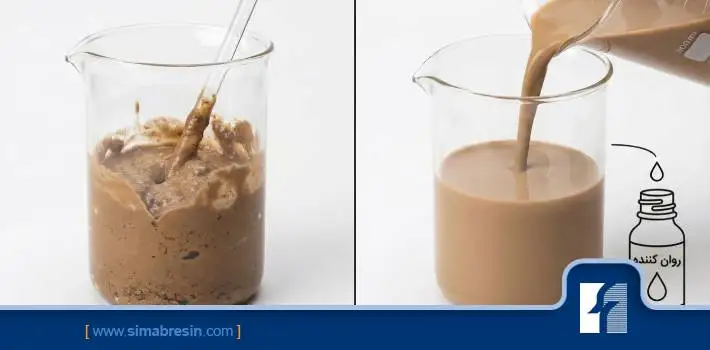
For example, in clay and kaolin slurries consisting of plate-like type particles (having high surface area-to-volume ratio), comb-type dispersants will typically provide superior stability and lower viscosity to slurries.
Conclusion
The development of acrylic-resin-based dispersants is a result of the innovative properties of acrylic resin polymers and has had an enormous impact on the ceramic industry. The addition of polymer-based dispersants to ceramic slurries provides the mechanism by which these additives disperse particles by electrostatic repulsion, thereby enhancing flow, decreasing viscosity, increasing the quality of finished products, removing defects and impurities, and greatly increasing stability at all stages of production. When used at higher concentrations, these polymers also result in improved solids loading, increased product quality, decreased water and energy usage, and improved product quality. Recently published scientific literature has continually supported the advantages of resin-based polyacrymids over inorganic based polymers and has continued to research and develop new resin-based materials (copolymers and modified polymers) for use in ceramics. The increased efficiency of the production of tile is one of the most significant benefits of these materials.
References
The post Acrylic-Resin Based Dispersant for Ceramic and Tile Slurries appeared first on Simab Resin.
]]>The post Water-Based Acrylic Resins in Pressure-Sensitive Adhesives appeared first on Simab Resin.
]]>Pressure-sensitive adhesives (PSAs) typically contain water-based acrylic resins as the main polymer component, which contributes significantly to the adhesion performance. Emulsion (water-based) resins have been increasingly used instead of solvent-based systems, due to their environmental and safety benefits. In all adhesive technologies, PSAs are adhesives that remain tacky at room temperature without heat or solvent activation, to form a bond with light pressure.
Nature of Pressure-Sensitive Adhesives and Water-Based Acrylic Resins
Pressure-sensitive adhesives (PSAs) are adhesives that behave in a tacky, viscoelastic state at room temperature, and develop adhesion between surfaces with low pressure – by not requiring drying, or a chemical reaction, to bond the surfaces together. PSAs are usually made up of polymers that have low glass transition temperatures (Tg) to remain soft and pliable under serving conditions. Acrylic polymers are one of the most common backbone polymers that are utilized in today’s PSAs because of their high levels of stability, clarity, oxidation and ultraviolet resistance, and to wet to various substrates.
Water-based acrylic resins are a subclass of the types of polymers that can be produced as polymer emulsions in water. In these systems, acrylic monomers (e.g., butyl acrylate, 2-ethylhexyl acrylate) and small amounts of polar monomer (e.g., acrylic acid) undergo emulsion polymerization in water, to create polymer particles. This produces an acrylic latex containing resin particles that can act as the adhesive phase in pressure-sensitive adhesive formulations. Once the latex phase is applied to a backing material (e.g., film, paper or foam) and dried, the water evaporates, and the polymer particles coalesce to provide a solid, adhesive layer that is tacky to the touch.
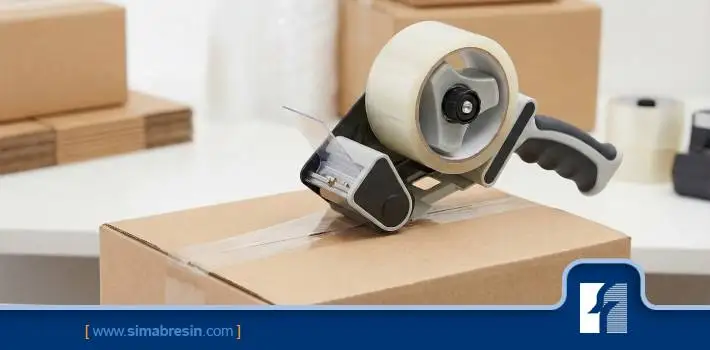
Water-based acrylic resins have a formulation that does not use volatile organic solvents, with water serving as the carrier for the polymer. Water in this capacity provides a major safety and environmental benefit because all solvent-based PSAs use volatile organic compounds (VOCs) like toluene or hexane that evaporate during the drying stage, releasing pollutants without restriction. VOCs contribute to poor air quality, unpleasant odor, and health issues. Water-based adhesives utilize water as the volatile phase and therefore are free of VOC-related hazards, which makes water-based acrylic resins a green alternative. With these formulations, water serves as a complete substitute for organic solvents, and achieves some level of compliance with tough environmental regulations without complicated solvent recovery systems or excessive ventilation.
Environmental Advantages of Water-Based Acrylic Resins
Environmental and workplace safety regulation is one of the driving forces in developing water-based acrylic resins in PSA applications. Organic solvents used in traditional solvent-based PSAs are major contributors of VOCs and hazardous air pollutants (HAPs), and this prompted the development of fierce political pressure and similar policies globally to limit the emission of particulate. Water-based acrylic resins use non-toxic water as the carrier, which provides an inherent much lower emission of VOCs than solvent- based systems, making them regulatory compliant solutions for these issues.
For example, in the pressure-sensitive tape and label market, the historical reliance on solvent-based adhesives has been rapidly changing based on waterborne acrylic emulsions, which greatly reduce VOC emissions during manufacturing and end-use. Another advantageous aspect of eliminating organic solvents in water-based systems is improved safety and hygiene in the workplace, as concerns regarding flammability, inhalation toxicity, or needing industrial ventilation are all much lower in water-based systems.
Comparison of Water-Based and Solvent-Based Adhesives
The following gives a comparison of water-based versus solvent-based acrylic adhesives across key performance and environmental metrics with a particular focus on clarity and moisture resistance.
| Feature | Water-Based Adhesives (Acrylic Emulsions) | Solvent-Based Adhesives (Acrylic Solutions) |
| VOC Emission | Negligible – Water is the primary solvent, with minimal VOCs | Significant – Contains volatile organic solvents requiring VOC control equipment |
| Adhesion & Cohesion | High adhesion with optimized formulation; may need additives for demanding applications | Naturally strong initial adhesion and high internal cohesion; proven in industrial applications |
| Clarity | Good clarity after drying; potential hazing with moisture if not properly formulated | Typically results in very clear films; highly water-resistant and not prone to hazing |
| Additional Notes | Environmentally friendly; non-flammable | Faster drying due to solvent volatility; flammable; odor and waste management concerns |
Clarity and Moisture Resistance
Clarity is an important performance requirement for many PSA applications such as transparent tape, glass labels, and protective films, etc. In the prior generations of PSA products, a known issue for water-based acrylic resins was that the adhesive film could turn hazy or white (blush) after prolonged exposure to water, humidity, or moisture. In these instances, moisture is trapped in the polymer microstructure, which leads to light scattering due to the interfaces formed between the polymer, moisture, and surfactants, ultimately reducing transparency and causing fogging. In contrast to water-based acrylic, solvent-based acrylic adhesives do not have this dispersed water phase and hence have superior resistance to whitening and can achieve a consistently clear film.
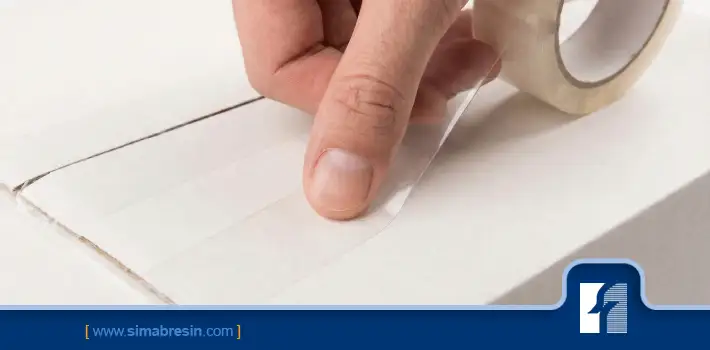
Fortunately, advancements in the development of waterborne resins have, in large part, alleviated this issue. There has primarily been an effort to increase resin hydrophobicity and improve particle coalescence after drying. As indicated above, the introduction of hydrophobic monomers, like vinyl esters, into the acrylic polymer significantly improves the water-resistance characteristics of the resulting coating. Studies have indicated that waterborne acrylic resins modified with hydrophobic monomers and subjected to prolonged periods of humidity retain 90% of their initial tack. Even in water immersion tests, when no visible whitening or haze was observed, waterborne films have maintained their clarity for 48 hours.
These results show that with a systematic formulation effort, waterborne acrylic resins can provide visual clarity and stability on par with solvent-based formulations, thus being more suitable for transparent adhesives.
Conclusion
Pressure-sensitive adhesives (PSAs) that incorporate water-based acrylic resins provide an unmatched offering of environmentally friendly but high technical performance. Increasing government regulation of VOC emissions and growing industrial awareness of sustainable technologies have driven these materials to the forefront of adhesive innovation over the past few years. While previous generations were challenged by mechanical performance reductions or “humidity-attack,” recent advancements in research and formulation improvements have largely overcome these challenges.
Most water-based PSAs currently available on the market now approach – or even outperform- solvent based systems in many areas of performance making them extremely useful in applications in packaging, automotive, electronics, and even medical devices. In summary, through chemical innovation, water-based acrylic resins are carving forward a new generation of PSAs that conform to our high-performance standards but also come with environmental safety. This unique combination of performance and sustainability has encouraged many adhesive manufacturers and users of PSAs to consider more water-based options.
Click here for PSA resin datasheets from Simab Resin
References
The post Water-Based Acrylic Resins in Pressure-Sensitive Adhesives appeared first on Simab Resin.
]]>The post Water-Based Facade Paint Resin appeared first on Simab Resin.
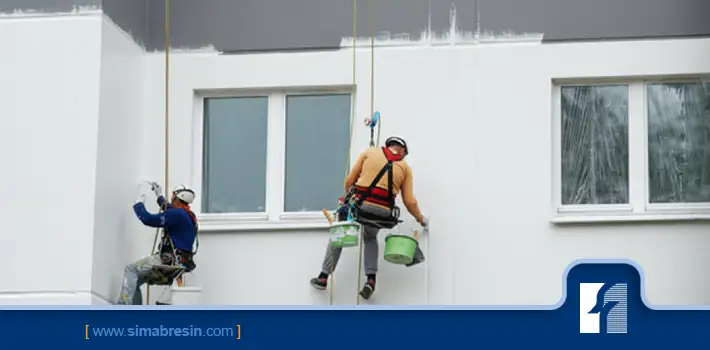
]]>The resin of water-based facade paint is a game-changer in architectural exterior paints. Resins have allowed for durable coatings, visual appeal, and resistance to environmental elements when specifying coatings. In recent years, due to environmental and health concerns, the utilization of water-based paints has skyrocketed. Presently, about 75% of architectural paint used across the globe is water-based. The shift to water-based facade resins is because of performance gains and ease of use, along with environmental benefits. Within this paper, we explore water-based facade resins and evaluate their combination of properties (environmentally focussed, durability, aesthetics, and weatherability).
Water-Based Facade Paint Resin
The resins for water-based facade paint are water-soluble polymeric binders that are the foundation of exterior paints. In most of these systems, the resin polymer, usually an acrylic resin, is dispersed in water as an emulsion. When the paint is placed onto the facade, the majority of the water evaporates, and the resin particles aggregate together to complete a continuous solid film on the surface. This creates a coating layer that adheres to the substrate while dry, is insoluble in water, and is stable.
Acrylic waterborne resins are the predominant type of resins used in modern exterior paints. Acrylic resins are appreciated for their fast drying, excellent adhesion to substrates, and great lightfastness. In contrast, solvent-borne facade paints (like alkyd or oil-based paints) are derived from organic solvents that emit strong odors and significant pollutants. Very few contractors use solvent-borne systems today, even though some can offer acceptable coverage and durability; their emission of VOCs, as well as the environmental and health concerns of working with their vapors, are limiting factors. With waterborne facade paints, less than 50% of solvents are left once the organic solvents are removed, resulting in a product that is less toxic and has less odor during the application and drying process. In sum, a waterborne facade resin approach applies some of the advanced technology in polymer technology for a durable and appealing coating option without toxic solvent injuries.
Advantages of Water-Based Resins in Facade Paints
Facade resins that are water-based have a number of advantages that position them in the forefront of exterior coatings:
- Environmental influence and safety: Water-based exterior coatings have very low levels of VOCs, and no toxic solvents, leading to virtually no emissions to the air. Water-based coatings are considered environmentally responsible, and compliant with higher environmental standards. The absence of flammable solvents also reduces fire hazards, and toxicity issues for painters and occupants.
- Quick drying, easy to apply: Waterborne resins, in general, dry quickly so the film reaches touch dry status in a relatively short period of time. This speeds up façade painting projects and reduces risks (dust landing on wet paint). Furthermore, tools (brushes, rollers, and spray guns) can be cleaned easily using soap and water, without the use of potentially harmful chemical solvents, improving the overall safety and convenience of the applicator’s experience.
- Exceptional durability & weatherability: A primary benefit of water-based acrylic resins is their exceptional resistance to environmental factors like sunlight (UV), rain, moisture, and temperature changes. Because of their polymer structure, acrylic facade coatings exhibit excellent photostability, resulting in resistance to yellowing or becoming brittle. The industry consensus is that acrylic water-based exterior paints have very good durability because of their excellent UV resistance. These coatings are also weather-resistant to rain and humidity because they create a near waterproof layer that limits water infiltration, preventing potential damage. The dry films of water-based resins remain flexible, allowing for minor movement of the substrate (thermal expansion and contraction or vibrations) without cracking. In summary, their long-term durability will keep the facade coating performing as intended for many years without peeling or cracking.
- Preserved aesthetics over time and color fastness: Water-based façade resins are appropriate for maintaining visual appeal over time. While some earlier oil-based paints yellowed or chalked, acrylic water-based resins will provide very high colorfastness and excellent ultraviolet light stability. This means that the façade will fade or dull less, along with reaching a freshness for longer. New formulations of water-based coatings also provide the same gloss and even finish as oil-based paints, resulting in an overall homogeneous finish on the façade. Furthermore, the acrylic paints provide the best pigment transparency with both a minimum of yellowing or darkening over time. Therefore, when light fast pigments are combined with water-based resins, it will help keep a fitting appearance and stay attractive for several years.
Nevertheless, water-based paints do have their drawbacks. As a hydrophilic material, water-based coatings can be prone to mold or soiling in extreme humidity. The literature has indicated that this may arise through the potential for mold growth and dirt adhesion on the surface. To mitigate this, manufacturers often add antimicrobial and antifungal additives to the paint. These biocides (for example, some products sold as Rocima™) inhibit microbial growth on the building facade, but usually pose some degree of risk to humans or the environment themselves. Fortunately, new advancements in resin technology are producing new solutions to mitigate these drawbacks, which are briefly summarized in the following.
UV Protection and Self-Cleaning Coatings
The utilization of nanotechnology and next-generation additives to improve water-based resins has led to new possibilities for improving performance characteristics of coatings for exterior use. One area of innovative development is increasing UV protection with nanoparticles. Research has shown that adding small concentrations of metal-oxide nanoparticles, such as titanium dioxide (TiO₂) or zinc oxide (ZnO), to water-based acrylic resins can serve as UV absorbers, enhancing resistance to sunlight degradation. The primary role of the nanoparticles is to absorb UV radiation which protects the polymer chains from degradation, ultimately decreasing the degree of color fade while improving mechanical and photo stability.
Additionally, some nanoparticles exhibit photocatalytic behavior which assists in the decomposition of organic pollutants on the surface of paint. For instance, ZnO nanoparticles in UV light provoke reactions which degrade organic and microbial contaminants. Consequently, this allows the coating to obtain self-cleaning and antibacterial properties. For example, one study found that simply incorporating 2% ZnO nanoparticles into a water-based acrylic resin increased its abrasion resistance as well as improve the coatings self-cleaning ability, allowing
the nanocomposite coatings to significantly remove organic surface contaminants (i.e., methylene blue dye stains) from a variety of surfaces.
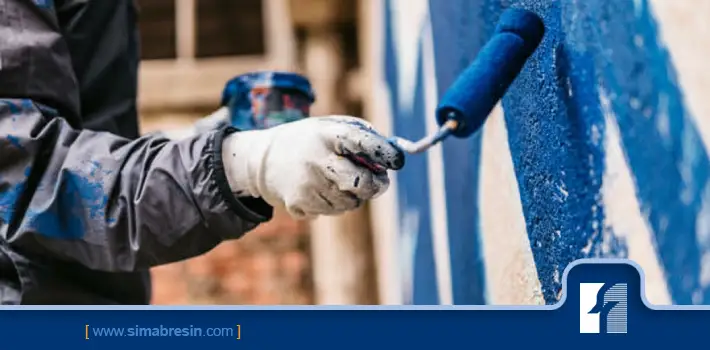
Another modern method for self-cleaning is based on the lotus effect. By constructing nanostructured surface texturing and employing specially designed hydrophobic resins (for example modified silicone resins), the coating becomes superhydrophobic. This effect can be compared to the surface tension of water droplets on the lotus plant where water and dirt do not stick. The facade coating with the lotus effect creates a very water repellent surface. Raindrops bead up and roll off of the surface taking dirt and grime with it and keeping the exterior façade much cleaner than its non-lotus coating competitor. These innovative self-cleaning coatings eliminate or significantly reduce the need to manually wash a façade, greatly extending the time between manual washing facades always keeping exterior façades looking better longer. The combination of photocatalytic nanoparticles and superhydrophobicity would be a promising direction for next-generation water-based resins which would lengthen durability and contribute to maintaining cleanliness and hygiene of surfaces.
Comparison: Water-Based vs. Solvent-Based Facade Paints
To clarify the differences, the table below compares water-based (acrylic latex) facade paint with solvent-based (alkyd oil) facade paint across several dimensions.
| Feature | Water-Based Facade Paint | Solvent-Based (Oil or Alkyd) Facade Paint |
| Environmental considerations | Very low emissions, environmentally friendly | Rich in organic solvents, high pollution |
| Odor and application safety | Low, non-irritating odor, non-flammable | Strong, pungent odor, flammable and requires ventilation |
| Drying time | Fast (touch-dry within a few hours) | Slower (several hours to fully dry) |
| Tool cleanup | Soap and water (easy, safe) | Thinner or chemical solvents (difficult, hazardous) |
| Exterior and UV durability | Excellent, high UV and water resistance; no yellowing | Very good, adequate resistance but possible yellowing and cracking over time |
| Color stability and appearance | Maintains color and initial gloss for years; minimal dulling | Possible loss of color and gloss over time (especially light colors) |
| Film flexibility | High, elastic film, resistant to cracking | Lower, harder film with a higher risk of cracking on moving substrates |
Conclusion
Water-based resins for façade paints have proven they can provide durability, aesthetics and weather resistance. The significantly lower environmental impact (lower levels of VOCs) and improved performance, makes them a go-to option for contemporary building projects. Research and development in their polymer chemistry (enhanced UV resistance and self-cleaning capability for example) has a high potential to provide water-based façade paint systems with even better multi-functionality and longevity in the very near future. Therefore, architects and engineers can confidently use these products to improve and protect urban façades with longevity and durability, while being aesthetically stable, and remaining environmentally conscious.
Frequently Asked Questions
Can your resins be used for facade paints, and do styrene acrylics have UV resistance?
Yes. They provide UV resistance for about 3 to 5 years, and using UV absorbers or anti-UV additives is recommended to enhance performance.
Can your resins be used for mineral and prefabricated (precast) facades as well?
Yes. The high adhesion that styrene-acrylic resins achieve to silica and stone granules, together with their strong water resistance, makes them an excellent choice.
References
The post Water-Based Facade Paint Resin appeared first on Simab Resin.
]]>The post Quality Control of Resin in Industry appeared first on Simab Resin.
]]>The quality control of resin is considered one of the most fundamental aspects of the resin industry; the quality control of resin plays a major role in value generation, and in particular, the retention of customers, starting with the formulation and continuing through product delivery. If resin quality is not performed properly, you may encounter a series of conditions and scenarios that can impact your customers and profits. Quality control should not just be thought of as an add-on; however, care must be betaken for proper quality control at all stages and phases of production. In this technical and specialized article, we will actually, review discuss and consider the various specialized aspects of quality in the industry of resin and resin production, or from the formulation, to building customer trust.
Formulation and Resin Quality
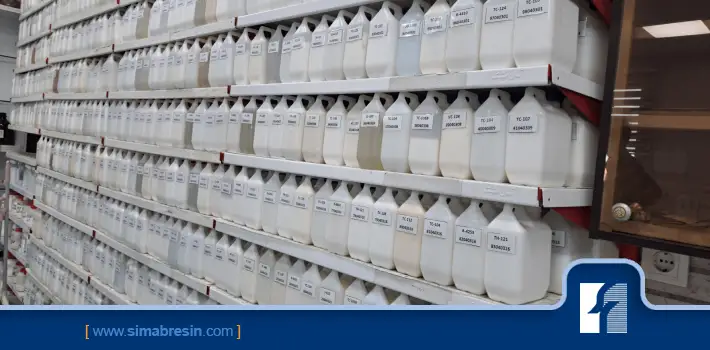
The beginning of the quality assurance aspect of resin production occurs at the point of formulation. This is when selecting raw materials of documented quality and documenting their specifications is especially critical, as any defect in the raw material directly affects the quality of the end product. It is well stated, “garbage in equals garbage out,” and in resin production, it could be equally said, “if the quality of the starting material is not good enough then, regardless of how precise the production settings are, the intermediate and end product will not obtain the desired quality.” Thus, resin producers carefully control the selection of monomers, additives, and other raw materials. Closer relationships with raw material suppliers to define quality specifications and compliance with those specifications for every delivered batch is a quality management strategy. In other words, a supplier meeting a standard specification (e.g, ISO 9001) is not sufficient in quality expectations, specifications must be outlined for every supplier and compliance thoroughly assessed for every batch delivered. At the formulation stage of production, it is also critical to control the chemical composition of the resin (e.g., monomer ratios, curing agents, and polymerization conditions) to ensure the characteristics of the product (e.g., molecular weight, viscosity, and solids content for water-based acrylic resins) are within a specified range to establish a strong foundation for final product quality. In general, beginning the production process with standard raw materials and a controlled formulation is the basic requirement for high quality resin to meet industrial expectations.
Quality Control in the Resin Production Process
Quality assurance of resin does not only begin with raw materials, but is continuous throughout all stages of production. It is commonplace in a polymer industry to have a complete quality assurance plan that identifies inspection points from raw material receipt to finished goods. Typically, there are three primary stages related to quality assurance in resin manufacture raw material inspection, in-process controls, and final inspection.
During manufacture, it is important to monitor the process conditions (e.g., temperature, pressure, stirring speed, reaction time etc.). Fluctuations, some unwanted, in these conditions can create changes in resin performance. For example, in the case of water-based acrylic resins, it may be quite difficult, but indeed important to keep the same particle size distribution and molecular weight in each batch produced. Variability between batches related to particle size, or molecular weight distribution may lead to poor, or unpredictable performance. Therefore, resin manufacturers often make use of more advanced process control systems (e.g. automatic controllers, PLCs) to ensure the process conditions do not fluctuate beyond defined parameters and prevent quality fluctuations.
Furthermore, by applying statistical methods like Statistical Process Control (SPC), manufacturers can identify small shifts within the production trend and take correction actions to avoid larger quality issues. Sampling points are established throughout the production process (for example after mixing, after polymerization and before packaging), and control tests are performed at each point to assure the resin being produced is within the appropriate specifications. If the control limits are exceeded, the production process is halted or modified accordingly to avoid production of off-specification material.
This methodology minimizes variations in quality, minimizes production waste, and increases the reliability of the resin product thereby affecting customer satisfaction.
Methods and Indicators of Resin Quality Control
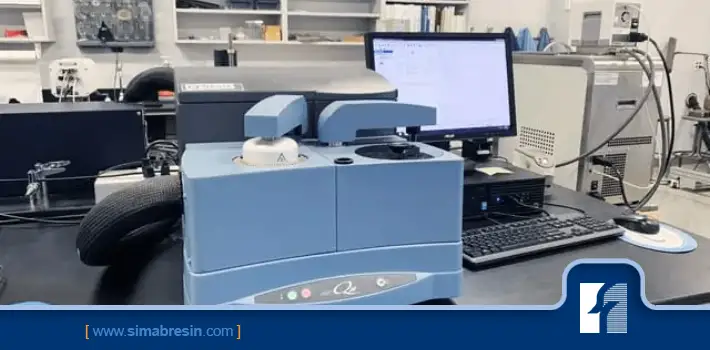
In order to monitor the quality of industrial resins (water-based acrylic resins in particular), a small set of relevant quality attributes that can be measured continuously, are worked into a schedule. The most significant attributes are – particle size distribution, viscosity stability, pH, and polymer dispersion uniformity. The measurement of particle size distribution is particularly critical because water-based emulsion resins need to remain within a specific range to maintain the predictable product attributes of clarity, gloss, and film performance. Conventional methods of measuring particle size, such as laser diffraction or dynamic light scattering will provide reliable data on overall particle uniformity and a better understanding of the potential for particle aggregation. The viscosity and rheological behavior of the resin is also measured over a range of shear rates to assess how the resin behaves under diverse processing conditions (pumping, mixing, or also applying it to a surface). In addition, viscosity stability is measured to ensure the resin will not gel or more to more viscous state during storage.
Another important category of tests is stability testing, or simulation of storage and transportation conditions. During stability tests, resin samples are subjected to different thermal cycles (e.g., freeze–thaw, repeated, etc.) or higher temperatures (e.g., typically 40–60°C for accelerated aging conditions) and key properties of the resins are measured at regular intervals. The stability test results provide an indication of how long the resins can be shelf-stored and whether there will be changes in quality during extreme transportation conditions (e.g. in the extreme cold of winter or extreme heat of summer): sedimentation, coagulation, and viscosity, etc.
It is also important to measure how well the finished product performed after it was produced. At this stage the resin is usually cast in the form of a film or solid specimen, and the physical and chemical properties of the resin are measured to determine if they meet functional requirements. For example, the minimum film-formation temperature (MFFT) of water-based coating resins is determined in order to find the temperature at which the resin can form a continuous film. Film hardness is measured to evaluate (König pendulum hardness or pencil hardness), and coating adhesion is evaluated using tests such as cross-cut or pull-off. A water-resistance test is performed by placing a drop of water on the resin film or immersing a film or specimen in water and then observing for a period of time to assess resistance in a humid environment. Evaluating chemical resistance of the resin is completed by exposing cured resin samples to different corrosive (acids, bases, solvents, etc.) materials for a period of time, then evaluating for visual changes or loss of properties. All of these standardized tests (ASTM, ISO etc.) have value providing information about the performance of resin under real-world conditions.
One additional salient point for resin quality control is that as part of continuous monitoring for a process, an increasing number of manufacturers leverage statistical and automated methods for statistical feedback, similar to Statistical Process Control (SPC). As noted above, SPC allows resin manufacturers to detect small deviations in critical production parameters through the use of control charts and statistical indices. Similar to charts for viscosity or particle size for each production batch, control charts indicate whether the resin processes remain in an acceptable range. If production results approach warning limits, the manufacturer will be able to take early corrective action – i.e. temperature, time, concentration, etc. A growing number of high-end resin manufacturers are able to utilize online monitoring systems to measure certain property responses during the resin production process, in a real-time manner. In this instance, when a quality parameter (ex., pH, solids content, etc.) deviates outside of allowable thresholds, alerts are set off, and even corrective action can be taken to adjust or halt the ongoing production process.
In addition to in-plant testing, some manufacturers also perform standardized mechanical tests of selected samples from each resin batch under harsh environmental conditions to simulate product durability and stability. For example, along with mechanical testing (tensile, flexural, etc.) of pure resin or resin used in composite materials, environmental testing is conducted (exposure to moisture, extreme temperature or salt spray, etc.). These tests demonstrate how the resin would perform long-term and in varying applications, and whether it performs to industrial standards amid real-world conditions.
Quality Assurance and Customer Trust
Successfully implementing quality control in the resins arena extends beyond the technical arena, it is a strategic investment in providing customer satisfaction and trust. A resin manufacturer that consistently delivers products with consistent quality and with the quality it promised strengthens its brand and earns customer trust over the long game. However, any deviation from quality can have significant and permanent ramifications, loss of a loyal customer base, or expensive costs discounted from the defective product being recalled from the market. Research shows that in today’s competitive environment, poor quality will damage a company’s reputation and also it will lose market share will happen “quicker than you can imagine”. Quality assurance is essential not only to technical quality, but quality assurance is also to meet and manage customer expectations relative to the product and maintain their trust.
Companies that maintain a formal quality control system and perform quality control checks at all stages (from procurement of raw materials to production and final tests) tend to have reduced defect rates and improved product reliability, increasing customer satisfaction and creating brand advocates. More specifically, an organized quality control procedure is the only effective means of delivering reliable products to markets and maintaining brand integrity in the process. When a customer has experience with a product (industrial acrylic resin) that always performs to expectations and meets the claim, trust is generated, and this becomes the basis for repurchase and recommendation.
In the end, investing in quality systems and committing to principles of quality is not a cost, it is an investment in the long game to ensure future success in the resin market, and customer confidence and trust.
Frequently Asked Questions (FAQ)
- What is the most critical quality parameter in water-based acrylic resin production?
In water-based acrylic resins, particle size distribution is often considered the most critical parameter because it directly affects film formation, gloss, transparency, and overall coating performance. Even small deviations in particle size can lead to major differences in final product quality. - How does Statistical Process Control (SPC) contribute to resin quality assurance?
SPC enables manufacturers to monitor key process parameters such as viscosity, pH, and solids content in real-time using control charts. By detecting early trends or deviations, corrective actions can be taken before defects occur, resulting in more consistent production quality and higher customer reliability.
References
The post Quality Control of Resin in Industry appeared first on Simab Resin.
]]>The post Increasing the Durability of Resin for Carpet and Rug Backing appeared first on Simab Resin.
]]>The adhesive or resin for carpet and rug backing is a medium that secures the fibers (carpet tufts) to the backing, preventing the fibers from separating or moving during usage. Styrene-butadiene resin has historically been the primary adhesive for machine-made carpets due to its flexibility and low cost. In more recent history, as the demand has increased to provide better durability and decrease environmental impacts, water-based acrylic resins for backing carpet and rug adhesives are increasingly used. These newer resins can achieve a bond strength and durability similar to styrene-butadiene resins while significantly reducing the emission of volatile organic compounds and/or undesirable odors.
Carpet Backing Resin
Carpet backing resin (or simply backing resin) is a water-based polymeric adhesive which is applied to the back of carpets or rugs to stabilize and hold the tufts in place while bonding the various components together (to secure the primary carpet layer to the secondary carpet layer). Typically, it is a synthetic polymer emulsion, often an acrylic latex or styrene-butadiene, and is often formulated with a high percentage of mineral fillers such as calcium carbonate. The resin partially penetrates the backing matrix, interlocks the fibers in place, and reduces separation or shedding. Also, with the resin stabilizing the structure of the carpet, it increases the overall strength, dimensional stability, and durability of the carpet against mechanical stresses from use.
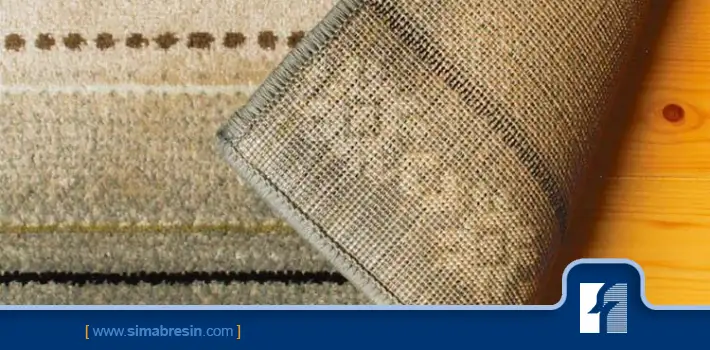
Water-Based Acrylic Resin
The adhesives used for carpet backing are important for the strength and stability of carpets. Styrene-butadiene resin is rubbery and provides good flexibility and adhesion, which has made it the industry’s long-standing standard. However, it lacks sunlight and environmental resistance, and it can degrade over time, often yellowing or losing some of its properties. On the other hand, water-based acrylic latex is a water-based composition with little or no chemical odor and very low VOC emissions. The modern carpet industry has been moving to acrylic resins, especially in higher-end products that require color stability and good environmental properties. These acrylic adhesives are attractive because they have good adhesion, excellent weather properties, an even greater ability to adhere to standard carpet backing in manufacturing.
Adhesion and Strength of Tuft Bonding
A key purpose of the resin component of a carpet backing is to ensure strong adhesion between the tufted yarns and the backing layer. Water-based acrylic adhesives work quite well at this, providing strong tuft-binding capacity. The technical specifications for some products indicate that acrylic latex can still adhere and provide very good tuft-holding strength even in formulations with a higher portion of mineral fillers than polymer content. This suggests that bonding strength does not significantly diminish when the acrylic is combined with fillers (for cost containment purposes or to increase other properties) and tuft fibers hold securely in place and do not pull away from the carpet under tension or traffic. In practice, acrylic latex is commonly utilized in the final layers of carpet backing systems to act as both a binder and fiber-holding adhesive. This is an everyday observation and serves to improve our confidence in the ability of acrylic latex to provide strong and stable bonds within a carpet structure.
Abrasion Resistance and Flexibility of the Backing Layer
Carpets are continuously exposed to foot traffic and bending, and for this reason, the abrasion resistance of the backing adhesive and its flexibility contribute to the carpet’s durability. Styrene-butadiene resin is one of the most flexible adhesives available, and the film it forms during drying is very elastic and retains some flexibility even after it is dry. Because of this fact, carpets made with styrene-butadiene adhesives can hold their shape and structure even after prolonged heavy foot traffic. Acrylic latex provides good resistance to abrasion and bending also, in its basic form. Although the acrylic film is slightly stiffer than the rubbery styrene-butadiene film, and the acrylic may seem to be less flexible, new acrylic formulations have overcome these weaknesses to some degree. For example, high-solid acrylic latex has been used in sport flooring installations and is often reported to have very good flexibility along with good abrasion resistance; it usually dries in a cross-linked form. Manufacturers can enhance the flexibility of the dried acrylic film by treating plasticizers or crosslinking agents, or modifying it to fit special application circumstances. Another significant benefit of acrylic latex is that it has better aging and UV resistance than styrene-butadiene resin. Accordingly, acrylic adhesives will degrade less over time from thermal aging or exposure to sunlight, and carpets made with this resin will remain stronger in severe light or extreme conditions.
Environmental Stability and Moisture Resistance
Preservation of adhesive integrity in the presence of moisture, cleaning, and temperature variation is an aspect of stability that is especially important in carpet backing resins. Water-based acrylic adhesives generally form a stable polymer network upon drying that resists water passage. Many newer acrylic latexes are self-crosslinking agents or contain crosslinking agents (such as silane or isocyanate groups) that crosslink, during the drying phase, to create cross-links during polymer growth. The cross-linking of the acrylic polymer provides the adhesive film a level of washout or moisture resistance which minimizes swelling or excessive composition softening when exposed to carpet cleaners or humidity.
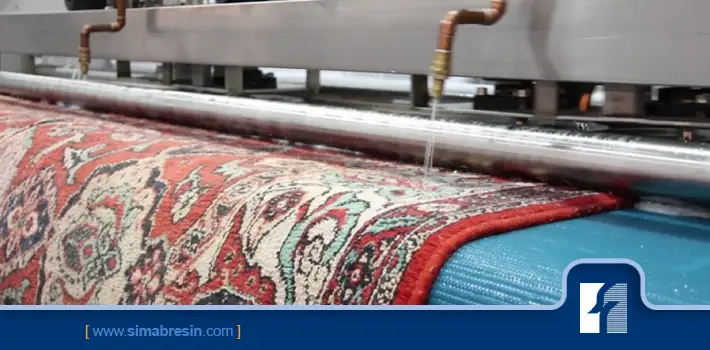
For instance, a technical description says that a specific acrylic carpet backing layer indicates that this acrylic film provides moisture resistivity and durability, with evidence of no degradation from cleanings or humidity. This degree of stability assures that a carpet backed with acrylic resin will remain stable and intact through frequent cleanings (such as shampooing) or accidental liquid spillage. Likewise, acrylic latex provides dimensional stability at elevated temperatures or under extreme humidity, without distortion or shrinking of the carpet. In conclusion, carpets backed with contemporary adhesives (including acrylic) are compliant with long-term durability (typically 10 – 15 years of service life) and retain their integrated form, even at the end of their service life.
Table 1 – Comparison of Styrene-Butadiene Resin and Acrylic Latex as Carpet Backing Adhesives
| Key Feature | Styrene-Butadiene Resin | Acrylic Resin (Water-Based) |
| Adhesion Strength | Strong adhesion to fibers and backing; industry standard for tuft-binding strength. | Very strong adhesion; adjustable strength with crosslinking agents. Provides firm tuft locking even in high-filler formulas. |
| Flexibility and Mechanical Resistance | Highly flexible and elastic; excellent crack resistance under bending and pressure. Good abrasion resistance due to the presence of styrene (enhances hardness). | Good flexibility (slightly less than styrene-butadiene). Suitable abrasion resistance that improves with formulation. Excellent resistance to aging and UV; maintains shape and avoids brittleness over time. |
| Resistance to External Factors | Performs well in normal environments but is sensitive to UV and ozone over time (color change or quality degradation). Usually requires crosslinking agents for adequate water resistance. | Excellent resistance to sunlight, UV, and heat; suitable for outdoor or light-exposed carpets. The polymer film is insoluble in water after drying (due to crosslinking) and resistant to washing and moisture. |
| Environmental Features | Contains styrene monomer; relatively high VOC emission, especially at installation (new carpet odor). Recyclable but difficult (due to thermoplastic nature). | Negligible VOC and odor. Carpets with acrylic adhesives easily meet strict indoor air quality standards. Some acrylic resins use bio-based (renewable) monomers. |
Conclusion
Water-based acrylic resins are a new class of adhesives for carpet and rug backings that greatly enhance the durability and stability of textile flooring, while working within existing manufacturing methods. These adhesives facilitate improved fiber-to-back bonds which result in carpets having greater resistance to heavy traffic, mechanical wear, and severe environments. In addition, due to their formulation without harmful volatile compounds, these adhesives are environmentally friendly, and reduce the undesirable odors associated with new carpet.
Frequently Asked Questions
What causes some carpet and rug fibers to come out over time, and is it related to the quality of the backing resin? Yes, this is a direct function of the backing resin’s inability to hold the tufts and modern water-based resins have been developed to form a strong bond and resilience.
What causes the backing of a rug to crack and become brittle after years of use? This occurs because low-quality resins age and degrade while advanced water-based resins maintain their long-term flexibility for rug stability.
Sources
The post Increasing the Durability of Resin for Carpet and Rug Backing appeared first on Simab Resin.
]]>The post polyurethane resin for wood coatings appeared first on Simab Resin.
]]>Polyurethane is among the most versatile materials that are used in the coatings industry to protect different substrates like steel, concrete, plastics, metals, paper, leather and wood. These coatings are highly used in industry especially for protection on metals, concrete and wooden structures. Polyurethane coatings have properties of flexibility, abrasion and chemical resistance, good adhesion, fast drying, and resistance to yellowing. These are also highly used in the furniture industry. In technical terms, polyurethane is a very hard and durable coating that develops a harder and stronger water-resistant film than other coatings. Along with decoration to wood surfaces, these coatings provide excellent protection against outdoor weathering, including heat, light, temperature changes, moisture, wind or abrasion and are cleanable surfaces.
Polyurethane Coating
Polyurethane is a synthetic resin that creates a firm, adhesive coating on the surface of wood, much like a shield. This coating provides a barrier to water and moisture, as well as to stains and chemicals and against scratches and wear that the wood surface may endure. Even more, polyurethane is a formidable barrier against many of the wood degrading hazards. The end result of utilizing this coating is an overall significant improvement in durability and longevity of the wood. Research demonstrates that surface coatings such as polyurethane can prolong the useful life of wood products, while helping to preserve their appearance for longer. In addition, polyurethane wood coatings remain stable against variations to the environment. For example, in indoor applications, the coating will have to demonstrate stability against UV radiation from sunlight that comes through the window, temperature changes and humidity changes from season to season, and even chemicals from common household cleaners. A quality polyurethane coating will do all of these things and protect the wood from these damages.
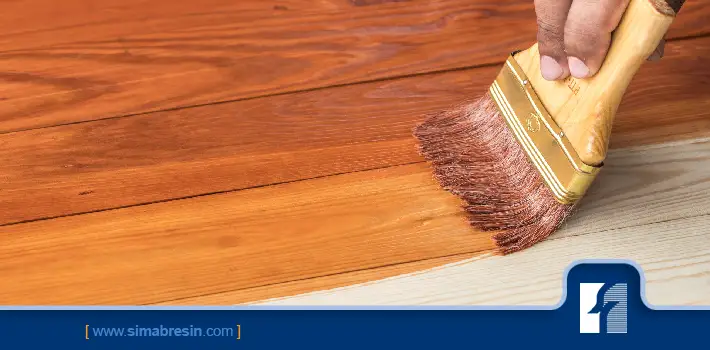
Preserving the Natural Appearance and Shine of Wood
One of the notable aspects of polyurethane coating is that, in addition to protection, it improves the beauty of the wood. The finish is typically transparent, allowing for a clear view of the wood’s existing pattern and structure, adding depth to the wood. Unlike some coatings, that make wood appear dull or cloudy, polyurethane provides a protective finish that resembles a glass-like glaze that preserves the natural color of wood while enhancing its luster and appeal. For instance, an oil-based polyurethane will give wood a warm amber hue over time, enhancing the grain pattern, which many find visually appealing. Conversely, water-based polyurethanes dry completely clear and retain the original wood color without change. This characteristic is highly desirable for lighter woods or when there is a specific need to retain the exact natural color of the wood. Polyurethane coatings also come with differing gloss levels (matte, semi-gloss, gloss) to adjust the shine of the wood to the user’s individuality or application. With the use of a polyurethane coating, wood can continue to be beautiful and maintain its attractive character over time and despite destructive factors.
Water-Based Polyurethane Coating
Among the most recently developed and popular types of wood protective finishes, water-based polyurethane coatings are extremely low odor, fast-drying, and an excellent option for enclosed spaces and interior work. When first applied, the coating will generally have a milky or slightly cloudy look to it, and will dry completely clear, allowing full preservation of the wood’s natural appearance with no color change. Another advantage of water-based polyurethanes is their relative environmental friendliness and safety of application, as they contain very little Volatile Organic Compounds (VOC) and harmful vapors, thus requiring much less ventilation than other products. Historically, water-based polyurethanes have been slightly less durable than oil-based products, but improvements in technology have been made in the last decade that has substantially closed the longevity gap. In fact, many of the more modern water-based products are now comparable to oil based products and can be confidently used in almost all indoor applications, including furniture, cabinetry, and flooring. In conclusion, a water-based polyurethane is a contemporary type of product that has the added advantage of both effective protection and manufacturing ease of use, while fully preserving the existing color of the wood.
Oil-Based Polyurethane Coating
Oil-based polyurethanes are the older and more common generation of polyurethanes. They are well-known for being highly durable and creating a rich warm gloss. Oil-based polyurethane provides appeal to the wood, as it penetrates deep in the wood’s fibers, and over time takes on a warm amber tone, giving wood a more traditional look. For years, oil-based polyurethane has been one of the most used coatings for high traffic surfaces such as hardwood floors, due to its excellent abrasion and impact resistance. Oil-based polyurethane typically has a little higher solid and produces a thicker layer, resulting in needing to apply fewer coats to achieve the desired coverage. While there are benefits to using oil-based polyurethane as a coating system, there are also drawbacks. Oil based polyurethanes dry slower than the water-base types and create protections that have a strong odor and contain more volatile chemicals compared to the water-based types. It is important to have good ventilation when using oil-based polyurethane and take precautions for proper safety (such as wearing masks and gloves). All in all, when you want maximum mechanical durability and a warm traditional shine, oil-based polyurethane is an excellent system to use, if you can tolerate longer drying time and their extended odor presence.
Application of Polyurethane Coatings
A good part of the purposes for polyurethane coatings is to protect wood structures and objects in the interior space. Whether it is a hardwood floor, furniture, or cabinetry, there is some form of protective layer required to help keep the items from degrading and maintain any aesthetic. Polyurethane coating is important here, because it can withstand the friction and wear of daily use, and will continue to maintain the luster of these items over a long period of time. For instance, a dining table or living room floor is often exposed to and subject to foot traffic, contact with objects, spills, and other proactive staining using a polyurethane coating as an invisible shield to protect the wood from scratches, food stains, water damage, cleaning chemicals, and even ultraviolet rays of the sun is ideal. Another important issue of indoor spaces is protecting the beauty of the décor itself. Polyurethane preserves the wood’s natural sheen and color while preserving its natural appearance. Both water- and oil-based polyurethane coatings are suitable for indoor use, so the choice between these coatings depends on the goals of the project, as well as the desires of the user. Water-based polyurethane is very convenient for indoor works because it dries quickly and does not smell, while oil-based polyurethane is likely to be selected for additional gloss or slightly better mechanical resistance. Regardless, either option prevents wooden objects and surfaces in indoor locations from losing their beauty over the years. When treating outdoor wood structures or outdoor wood furniture, be sure to use a polyurethane specifically for outdoor use which would have UV protectants and additives to minimize effects from varying weather. When using outdoors, these coatings can protect wood from the sun, rain, and temperature changes, helping to protect the wood’s beauty and durability in outdoor situations.
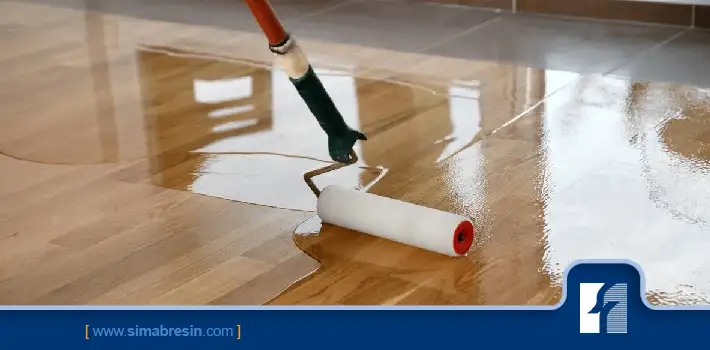
Conclusion
Polyurethane finishes for wood can truly be considered the secret to a wood’s beauty and longevity. It makes and excellent protective layer that protects wood from all sort of damage associated with abrasion, moisture, scratches, etc. In addition, this type of finish enhances the natural beauty of wood – there are three main reasons that wood and décor professionals in the industry consider it the first option. When applied correctly according to the steps outlined, and with the proper selection of each type (water-based or oil-based) for application, it is entirely possible to have wood remain beautiful and long-lasting for years of use.
References
The post polyurethane resin for wood coatings appeared first on Simab Resin.
]]>The post acrylic resin for washable interior paints appeared first on Simab Resin.
]]>Today, acrylic resin for washable interior paints has become crucial in the manufacture of high-performance architectural coatings. These resin systems (also known as binder systems) are water-based resins that set and dry in a manner that not only provides for aesthetic beauty but high durability and strong resistance to washing. The result is the ability for water-resistant acrylic resins in interior wall paints to combine both their ability to resist abrasion and repeated washing with aesthetic beauty. The sections that follow provide a technical discussion of the properties of these resins and their contribution to the performance of washable interior paints.
The Role of Water-Based Acrylic Resin in Paints
Water-based acrylic resins serve as the primary binder in acrylic paints and have transformed the paint and coatings industry. The first water-based acrylic emulsion paint used for artistic purposes was created in 1954 and introduced exciting changes such as short drying times, water dilatability, and high flexibility.
These resins are made from esters of acrylic and methacrylic acid and are typically manufactured in three co-emulsion types: poly (ethyl acrylate/methyl methacrylate), poly (n-butyl acrylate/methyl methacrylate), and 2-ethylhexyl acrylate/methyl methacrylate.
Acrylic paints use pigment particles that are dispersed in an emulsion containing water, along with small amorphous polymeric particles. Water-based acrylic resins are considered environmentally friendly materials due to the lack of organic solvents, where water serves as the main dispersion medium. Water-based acrylic resins provide remarkable stability to light, heat and chemicals leading to coatings that are highly resistant to weathering, pollution, acidic and alkaline environments.
washable paint
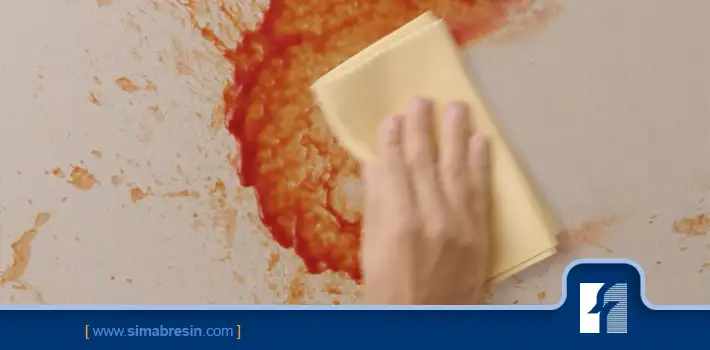
A washable paint is a type of coating which after drying, exhibits a denser and more compact film than standard paints. This dense film allows the coating to be cleaned on the surface with a damp sponge and mild detergents, while not compromising the coating or leaving visible marks. Washable paints are very resistant to not only stains penetrating the coating, but adhesion to the coating, and in the case of contamination, they can easily be cleaned.
According to the EN 13300 standard, washability is divided into five classes, with Class 1 being fully washable and Class 5 being non-washable. Class 1 paints can be continuously cleaned with a damp cloth and mild detergents with no damage to the paint film, while Class 5 does not tolerate any washing, even on a very minimal basis, and is degraded fairly easy.
Scrub resistance is one of the key indicators of the performance expectations of washable paints. Scrub resistance is determined by the number of brush cycles that can be applied to the surface before film failure occurs. The higher the number of cycles, the more scrub resistant the surface is against mechanical abrasion. In practice, this means that the very best acrylic paint products can withstand many thousands of mechanical wash cycles before any apparent degradation of either the paint film or loss of the surface’s appearance is noticed.
Stain resistance is another important property of a washable paint, in addition to resistance to mechanical abrasion. An ideal washable paint provides resistance to both water-based stains and oil-based stains, preventing the stain from wetting out the paint film and permeating the coated surface, simplifying removal. Washability is simply the ability of the paint film to wash away dirt and stains without scrubbing action, while scrub ability is the physical resilience of the paint film to sustain cleaning with a stiff brush.
Some coatings may perform well on mechanical scrubbing tests, but still retain staining on the surface. Other coatings may stain but provide weak film integrity under mechanical stress. In order for a higher performance washable coating to be effective, it must possess and balance these two properties, in that the coating must be easily cleanable yet possess mechanical durability.
Waterborne acrylic resins are critical to creating this combination of properties. High quality acrylic resins may produce continuous, dense films that resist mechanical stress associated with cleaning and also exhibit excellent chemical resistance to common detergents. The molecular structure of high-quality acrylic resin restricts stain infiltration and discoloration. In addition, the elastic behavior of acrylic polymers provides flexibility that resists cracking and peeling of the coating, thereby enhancing long-term durability of the coating.
Combining Durability and Aesthetic Quality through Acrylic Resins
A significant development of water-based acrylic resin technology is the ability to attain both a high level of durability and a high level of aesthetic quality in interior coatings. Historically, high gloss finishes have been the mainstay to create washable surfaces, as smooth glossy films are less prone to accumulating dirt and may be cleaned easier. However, high gloss finishes may not be always desirable in regard to interior decoration.
Today, due to the development of resin chemistry, and formulation technology, it is possible to formulate even matte paints to be washable and still appear as a matte product. Thanks to high quality acrylic resins and specially formulated pigments, these coatings can form a compact but matte film. In such coatings, a factory-specified high quality acrylic resin is used in the formulation, however, the amount is controlled and used to produce a dense and durable coating, but not to the degree that the overall finish is shiny. In this way, a careful balance is achieved to produce a product that is both visually satisfactory (matte or a specific amount of sheen) and functionally durable.
In terms of aesthetics, water-based acrylic resins have other advantages over older resin systems. Acrylic paints are more resistant to discoloration and yellowing than traditional coatings. While alkyd paints, especially in darker areas, will eventually yellow over time, water-based acrylic paints will retain their color and brightness much longer, making people very happy when painting white or light-colored interior walls. Water-based acrylic paints are not only low odor, but they also emit very low levels of volatile organic compounds (VOCs), making them a considerable health and environmental advantage.
Practical Application and Areas of Use
A wall that has been painted with washable acrylic paint can be cleaned without compromise, leaving no residue or causing damage to the film. In most cases, it makes the most sense to use this type of paint in areas that have high traffic or the potential for contamination (such as kitchens, hallways, children’s bedrooms, and bathrooms). Non-washable paints, on the other hand, should only be used in locations with low contact and low stain risk (such as ceilings or rooms that are barely used).
Next, a comparison can be made on the characteristics of both washable and non-washable paints, with respect to film integrity, scrub ability, gloss retention, and ease of cleaning.
| Property | Washable Acrylic Paint | Conventional Non-Washable Paint |
| Type of Resin (Binder) | 100% Acrylic Resin (Water-based Latex) which forms a strong and adhesive film | Vinyl Resin (PVA) which is less expensive but has lower resistance to water |
| Wash Resistance | Very high. It can withstand repeated cleaning with a damp cloth without damaging the paint film | Low. Washing causes film abrasion and visible stain marks remain on the surface |
| Stain Resistance | High. Dirt and stains do not easily adhere to the surface and can be removed easily | Low. Stains penetrate into the coating and are difficult to clean |
| Long-term Durability | Excellent. Maintains color and original gloss over time and is resistant to cracking and peeling | Limited. More prone to discoloration (yellowing) and faster degradation of quality |
| Recommended Applications | High-traffic and stain-prone areas such as kitchens, bathrooms, hallways, children’s playrooms, and living areas | Low-traffic and low-risk areas such as ceilings, storage rooms, and guest bedrooms |
Given the considerations presented above, it is clear that washable acrylic paint is a much more appropriate product for busy use and environments that are likely to collect soil and be subjected to high-contact use. While the cost is generally higher than traditional paint due to the use of quality acrylic resin, the paints prove to be more cost-effective in the long run due to the cost savings from less frequent repainting, and periodic wall cleaning.
While inexpensive paint that contains low-quality or weak resin may be marketed as a value, the paint will quickly become dirty and its appearance will fail, due to a very low resistance to washing and cleaning. In this situation, the total cost of time and product for repair or repainting will most likely exceed the cost of initial investment.
References
The post acrylic resin for washable interior paints appeared first on Simab Resin.
]]>The post Water-Based Gypsum–Cement Primer: A Solution for Increasing Paint Durability appeared first on Simab Resin.
]]>Applying paint on gypsum and cement surfaces without proper preparation can cause problems like peeling paint, inconsistent absorption, and short service life of surface coatings. One of the best ways to prevent such problems is to apply a water based gypsum–cement primer before applying the finish paint. The primer serves as an undercoat which greatly enhances the adhesion of paint on gypsum and cement surfaces. The increased adhesion means better durability and longevity of the paint for the length of time the paint service life. The section that follows examines the need to use a water based primer for gypsum and cement and how it prolongs paint life.
Challenges of Painting Gypsum and Cement Surfaces
Gypsum and cement surfaces are porous and alkaline in nature, which creates challenges for painting. In order to avoid potential damage to the paint film, surfaces that are newly constructed require the application of a protective product to prevent any damaging effects caused by the highly alkaline surfaces of gypsum and cement (freshly formed gypsum and cement surfaces can be highly alkaline with a measured pH as high 13). Alkaline compounds, such as hydroxides, in cement (i.e., calcium hydroxide), may react with paint resins resulting in damaging effects such as alkali burn, discoloration of the paint, or loss of adhesion between the paint film and gypsum. Additionally, moisture trapped in gypsum and cement walls can bring soluble salts to the surface of the substrate from the substrate, leading to efflorescence – white regions that create unsightly stains and reduce the Aesthetic appeal on surfaces and weakened adhesion of paint to the substrate. Therefore, these types of surfaces require sealing and stabilization prior to the application of paint.
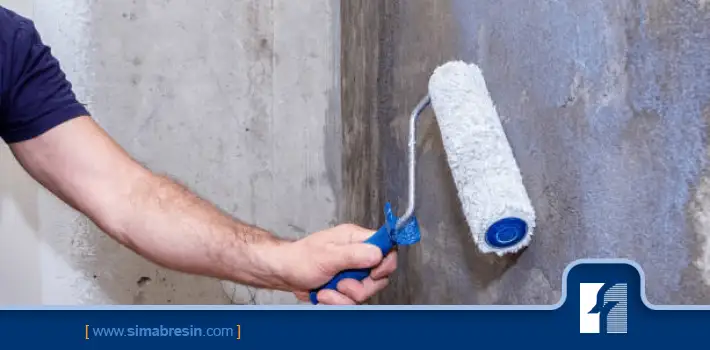
The composition of gypsum and the absorption characteristics of cement also make paint challengeable in an uneven manner. Painted surfaces will receive a different gage of paint application at different latitudes on the surface, or more simply said, a finish with different shades of glossy and matte patches; unprepared gypsum surfaces may also have dust or loose particles on or in them that impede paint adhesion. So, overall, if paint is to be applied directly to gypsum or cement surfaces, durability and quality still suffer which gives even a higher likelihood of peeling or blistering to happen just after paint application.
The Function of Water-Based Primer on Gypsum and Cement
Water-based primers are generally made from acrylic or vinyl resins, and are typically used on masonry surfaces to prepare for painting. They perform three functions that are crucial:
Sealing Porous Surfaces: The primer wicks into the pores of gypsum and cement, filling these pores and creating a smooth surface that is uniform and non-absorbing. These benefits reduce the absorption of paint into the substrate, provide a more uniform application with fewer coats, and bind loose particles together to provide a solid foundation for paint adhesion to the surface.
Preventing Alkalinity and Moisture Damage: The better-quality primers will resist alkalis which means it will protect the topcoat from potentially damaging alkaline compounds in cement or plaster. Many modern acrylic primers contain a water-based variety of anti-alkali products designed specifically for use on concrete, gypsum, and masonry surface. A top coat of primer containing anti-alkali properties will help protect against alkalinity found in free lime and concrete. Water-based primers are also a moisture barrier, preventing salt from migrating to the surface and posing a risk of efflorescence.
Stain Blocking and Uniform Base Color: Primers can also block stains that already exist on the surface from rust, smoke, grease or other contaminants leaking into the topcoat. The primer uses stain blocking properties to provide a visually uniform painted surface and preserve intended visual ends.
Benefits of Water-Based Primer for Paint Durability
The cost-benefit of using a water-based primer for gypsum and cement is minimal while the long-term benefits are substantial. Research and field experience show that primers will also produce an improved mechanical bond between paint and substrate which is critical for durability in the long-term. Primed surfaces are more resilient to environmental stresses (temperature fluctuations, humidity, sunlight, frost, etc.) and mechanical stresses and are far less likely to experience cracking or blistering on a deteriorated substrate.
From the durability chemical perspective, the primer layer also provides a barrier for protection against the high pregnancy alkaline attack that will occur when paint is applied to fresh cement. Primers limit or even transcend the breakdown of the resin as paint degrades or yellows under the scaling effects of UV and/or fade from highly alkaline attack by fresh potential cemented or crud wares.
Some primers that are solvent-free even come with added antifungal or antibacterial supplements that cut mold or contaminants making it more hygienically and aesthetically beneficial over time.
There are even potential benefits that can occur from reduced chalking, which may generate the presence of a white powdery substance on painted surfaces that occur from the degradation of a paint resin during weathering. Research illustrates that the use of proper primers prolong chalking resistance by stabilizing residual surface dust and maximizing adhesion of the substrate, keeping a painted surface gloss clean for a lengthier and more assured period.
Application Guidelines for Water-Based Primer on Gypsum and Cement
Several execution steps must be followed for maximum primer effectiveness and paint durability:
Allow for the proper drying and curing: New gypsum or cement must be cured dry (typically 2-4 weeks) before you can apply primer, based on the proprietary materials’ recommendations. The easiest test is to tape a plastic sheet to the surface for 24 hours. If you see condensation, the substrate is still too wet.
Surface cleaning: The surface must be clean and free from dust, loose debris, grease, or any other contaminants. Always avoid acidic cleaning solutions (e.g., vinegar) on gypsum dust as it can damage the substrate. Either brush or wipe using a damp cloth only. Repair any cracks or defects and allow them to dry thoroughly before priming.
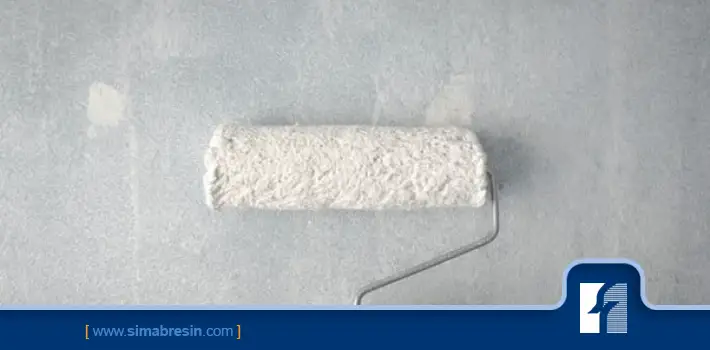
Application of the primer: Apply primer using a brush, roller, or sprayer at an even thickness with full coverage. One coat is typically sufficient. A lot of primers are usually tinted white or light gray for visual purposes to improve coverage. Allow several hours to a full day for drying (depending on product and temperature) before the application of two coats of top paint. As a general recommendation from USG or other technical references, one alkali-resistant primer coat with two topcoats is recommended for the best durability and coverage.
Environmental Conditions: Runoff should take place under moderate conditions, not too cold (under 10 °C), not too hot, and around 50% relative humidity. Provide for good air circulation without having drafts of air blowing directly on the applied surface to allow for even drying.
Conclusion
Special waterborne primers for gypsum and cement substrates are an essential foundation for improving paint durability and quality. They prevent and seal inherent weaknesses such as porosity and alkalinity by saturating into the substrate and creating a barrier, and enable paint to produce an ideal substrate to adhere. Paint will have better bonding, increased mineral and chemical resistance, and last longer. Overall, waterborne gypsum–cement primers are not an impractical extra, but essential to the painting process to a professional that is expected to provide long-lasting high-quality materials. Whether for interior or exterior use, any project on gypsum or cement surfaces should always include water-based primer as a key component of obtaining the best possible durability and finish.
References
The post Water-Based Gypsum–Cement Primer: A Solution for Increasing Paint Durability appeared first on Simab Resin.
]]>The post Industrial Foam and Sponge Adhesives: A Vital Role in Furniture and Automotive Sectors appeared first on Simab Resin.
]]>Foam and sponge adhesive is an important specialty material in today’s furniture and automotive industries because they are most often the adhesives used to bond foam parts to other components, which in turn occur in foam products. More specifically, these industrial adhesives are designed to bond soft foams, sponges, and impact-absorbing pads, in a way where it provides a sufficient adhesive bond to create a strong, flexible joint without damaging the foam’s cellular structure. When an effective bond occurs, it provides durability, comfort and structural integrity to many products in existing functional uses such as household furniture and car seats. The following describes the important function of these adhesives in furniture and automotive industries, and their main technical attributes.
Applications in the Furniture Industry
In furniture production and semi-related industries such as foam adhesives or sponge adhesives are commonly used to bond a foam layer to a structural or upholstery component. For example, in the case of sofas, foam and sponge adhesives are used to bond polyurethane foams to wooden or metal frames and upholstery fabrics, which means that overtime the (seat) (backrest) does not shift. in addition to being strong, the adhesive joint must be flexible so that the foam maintains its softness and comfort. a high percentage of manufacturers of seats and office furniture utilize adhesives for such purposes with an estimated 90% of the office-chair market using adhesives to bond foam to substrates such as wood, metal, plastic, and fabric.
The use of foam and sponge adhesives also results in greater efficiency in the production process. Such adhesives can dry rapidly and, because they have immediate tack, allow for high-speed linear production. The use of spray systems means that large foam surfaces can be coated quickly and uniformly to create a clean bond. In the production of mattresses, for instance, multiple layers of foam are bonded together and to the ticking fabric to hold them in position and create an integrated and durable structure. A further advantage of adhesive is that, compared to stitching or stapling that create stiff points or protrusions, adhesive allows for uniform bonding of foam to other components that results in a consistent surface that is comfortable. The end result is furniture whereby the foam components of the furniture is integrated into the structure of the product and can withstand the continuous use and applied load.
Applications in the Automotive Industry
Foam and sponge adhesives also can be instrumentally important in producing and assembling automotive interior components. There may foam layers bonded with adhesive on interior foams such as car seats, armrests, and trim parts attached to the metal seat frame or the cover options of fabric and leather. On the headliner, a foam layer is attached to the fabric liner of the roof; without a functional adhesive, this will sag or separate over time or in heat. Industrial adhesives with high heat resistance are generally appropriate for these applications, as encountered assembly areas can reach extreme temperature ranges in an automotive environment. Many formulations can maintain their bond integrity at sustained temperatures above 100 °C, amongst the choices, one study witnessed a water-based latex adhesive continuing under the load (>130 °C) without debonding.
Yet another advantage of adhesive joints in vehicles is the ability to dampen vibrations and stresses. As flexible adhesives, adhesives act as shock displacers that prevent foam components from dislodging or rattling due to vehicle movements. Adhesives that are typically used for this would be polychloroprene-latex based, as they provide a fast initial grab, do not travel into the foam structure, and exhibit high tensile and stress resistance. Not to mention, if adhesives were to replace metal fasteners or sewing-like methods, it can also help with weight savings of vehicle interior parts and eliminate unwanted noises in the vehicle. Overall, foam and sponge adhesives may be a hidden but influential component in the automotive marketplace; it is just that the quality and longevity of the interior components will rely on such adhesives to perform properly.
Types and Technical Features of Foam and Sponge Adhesives
Solvent-Based Adhesives: These adhesives utilize polymers dissolved in organic solvents (ex: chloroprene dissolved in either chlorinated or hydrocarbon solvents). Once sprayed or applied, these adhesives evaporate fairly rapidly leaving a tacky layer with an immediate grab. While their advantages include very high adhesion strength due to the polymer and relatively fast drying times, they have been an adhesive of choice for bonding foams for decades. However, the volatile nature of the solvents creates issues of strong odor, flammability concerns, and environmental risks.
Water-Based Adhesives (Latex Dispersions):The polymers in adhesives include polychloroprene, polyurethane and others in low amounts dispersed in water as fine particles. Water-based adhesives utilize no toxic solvents and produce much lower emissions of volatile organic compounds (VOCs). The first (natural latex-based) adhesives were slower drying than solvent types and had to be mixed with a second component (adhesive and hardener), but today we have immensely improved one-component products by using synthetic polymers that have enhanced setting speed and bond strength. Many furniture manufacturers adopted these adhesives especially in regions with stringent environmental regulations. The use of low-odour adhesives protects the health of workers during production and improves indoor air quality of the finished product. Furthermore, there have been attempts by academics and industry scientists in producing environmentally-compatible polyurethane adhesives from natural resources (vegetable oils for example) to provide greener alternatives to conventional adhesives. Water-based latex adhesives provide the necessary bond strength but as they have high suppleness, do not penetrate the foam matrix and thus the foam surface stays soft.
Hot-Melt Adhesives: These adhesives are 100% solids, and must be heated in order for them to melt and flow. Hot-melt adhesives are usually based on thermoplastic resins or polyurethane-that are applied at around 130–150 °C using hot-glue guns or hot-spray systems; after cooling, within seconds, they will solidify to establish a bond, making them extremely desirable for high-speed environments. Because of this property and the fact they contain no solvents means zero VOC emissions and no need for evaporation time which is useful when you are mass producing products. In the furniture and automotive industries, hot-melt adhesives are used to bond foam in automated processes (for example, applying foam to office chairs, or putting foam into dashboards).
Polyurethane and Two-Component Adhesives: In addition to the above information, some foam bonds require special adhesives with very high strength and durability. A one-component polyurethane adhesive curing with ambient moisture or heat, or a two-component adhesive (based on separate resin and hardener) would then be implemented. While these adhesives have a longer set time than the instant-grab types mentioned above, once cured these adhesives provide a very strong bond that is resistant to water, heat, and chemicals. For instance, in making a bond between a household sponge to a rough scouring pad (the green abrasive layer), polyurethane fast-curing foam adhesives have been able to facilitate consistent bonding of a porous sponge surface to a very abrasive layer. Polyurethane adhesives can also be used for specific durability and resistance needs in industrial applications.
Conclusion
Industrial foam and sponge adhesives act as invisible connectivity agents, vital to the quality, durability, safety and quality of products for the furniture and automotive industries. With their strong but flexible adhesive properties, these adhesives are responsible for the more comfortable, more durable, and more lightweight products we now have available, and with new technologies and an increasingly strict adherence to environmental sustainability requirements, every day these types of adhesives are becoming more effective and safer. There is no question that the future will continue to see these types of adhesives as an important part of the design and manufacture of products for the furniture and automotive industries.
Reference
The post Industrial Foam and Sponge Adhesives: A Vital Role in Furniture and Automotive Sectors appeared first on Simab Resin.
]]>The post Water-Based Polyurethanes and Solvent-Free Adhesives in Paperboard Printing and Packaging appeared first on Simab Resin.
]]>Paperboard printing and packaging play an important role in today’s packaging industry. Goods often need to be protected and showcased in packaging, especially in cardboard boxes and cartons, and the printed and coated surfaces of such cartons are important for determining the visual quality and the durability of premature degradation. These plus factors in packaging and printing are influenced to a certain extent by the printing and laminating systems that historically rely on organic solvent-based systems of inks, varnish, and lamination adhesives. In the past, these supplementary systems were linked with the generation of volatile organic compounds (VOCs), and troubling odors. While the replacement of organic solvent inks is evident with advances in polymer technology (along with the current global concern on environment), water-based polyurethanes (PUs) and other waterborne resins have emerged as the leading replacement systems for paperboard printing and lamination systems. These are safe alternative systems, environmentally friendly, and deliver exceptional adhesion, flexibility, and external factor resistance, while not relying on harmful solvent systems.
Water-Based Polyurethanes
Polyurethane is a polymer dispersed in an aqueous medium, with water being the resin carrier. Since water dispersions do not cure via solvent evaporation as solvent-based systems do, there is no risk for hazardous organic solvents to be emitted post-evaporation. This leads to a tremendous reduction of VOC emissions during application, as well as removing the unpleasant solvent smells and dangers from the working environment.
Waterborne PUs form hard film but are also flexible, and they exhibit very good adhesion with many substrates, specifically cellulose-based ones (such as paper and paperboard). Because of the polymer’s strong adhesion, there is very good print durability with waterborne PUs since flaking or cracking can occur. Moreover, because of crosslinking and polymer networks, they offer fantastic mechanical and chemical resistance, showing good scratch and abrasion resistance as well as chemical stability against many chemicals.
A very strong advantage of these materials is their drying speed. Their speed increases printing capacity for potential customers working in a printing facility. In summary, these properties have made waterborne polyurethanes the primary resin of choice for paperboard inks and protective overprint varnishes, with performance equal to or even better than their solvent-based counterparts.
Water-Based Inks and Coatings for Paperboard Printing
In box and carton printing applications, water-based inks are being widely accepted. Mostly composed of acrylic or polyurethane binders, these inks have largely replaced conventional solvent-based inks due to their environmental sustainability and excellent technical properties.
Waterborne PU ink produces vivid colors, excellent adhesion and flexible print that can withstand bending or rolling without cracking. They are also free of heavy metals and other environmental harmful materials making them suitable for food packaging, as they are odorless and free of harmful solvents. Testing has shown that water-based resins will lessen the environmental impact and also improve print quality, producing sharp glossy smudge free results, because the inks dry rapidly.
Overprint varnishes, considered a protective coating, are often applied to paperboard surfaces after printing. The waterborne PU varnishes have proven to be a consistent alternative for solvent-based overprint varnishes. These coating produce a transparent surface (glossy or matte) to improve appearance, protects against scratches and abrasion, and improve resistances against moisture and other environmental factors.
For instance, anti-scratch waterborne varnishes create matte finishes with very good abrasion resistance, making them a good choice for shipping cartons and heavy-use packaging. In short, PU-based waterborne inks and coatings provide good print quality and protective properties to ensure that paperboard packaging sustains its visual and physical integrity.
Water-Based Adhesives for Lamination and Packaging
Laminating paperboard involves joining a printed or decorative layer to cartons, providing additional strength and aesthetics. The adhesive selection is critical. Solvent-based PU adhesives have traditionally been used to laminate films to paperboard; however, the new generation of water-based adhesives demonstrate comparable performance while delivering substantially better sustainability performance.
Water-based adhesives are usually formulated as polyurethane or acrylic emulsions. They are solvent free, and consequently safe for use in food packaging without fear of odors or contamination of product. Their solvent free attributes also make them non-hazmat materials, thus promoting safer and more sustainable processing options for our customers’ packaging supplies in the aftermath of COVID – handling hazardous solvent-based packaging materials does not keep health and safety to the forefront of best-practices.
Conclusion
Waterborne polyurethanes and solvent-free adhesives represent the future of paperboard printing and packaging, as they afford superior print quality, enhanced adhesion, low drying times, and outstanding scratch and moisture resistance that are critical for high quality packaging. In lamination, waterborne and solvent-free systems afford a durable bond utilizing no solvents, making production safer, quicker and, ultimately, more efficient.
On the environmental and regulatory front, waterborne systems replace hazardous air pollutants (HAPs) with a cleaner product that creates improved workplaces globally and satisfies tightening restrictions worldwide. Because sustainability is the new driver for packaging, water is the best choice for inks, coatings, and adhesives.
Looking forward, manufacturers who pioneer waterborne PU systems can offer durable, colorful, and safe packaging solutions while establishing their commitment to their customers and communities by promoting social responsibility and environmental protection. Waterborne polyurethanes and solvent-free adhesives are an important advancement in technology, and will serve as an important bridge to a green, sustainable packaging industry in the future.
References
The post Water-Based Polyurethanes and Solvent-Free Adhesives in Paperboard Printing and Packaging appeared first on Simab Resin.
]]>