Introduction
Polyurethane is among the most versatile materials that are used in the coatings industry to protect different substrates like steel, concrete, plastics, metals, paper, leather and wood. These coatings are highly used in industry especially for protection on metals, concrete and wooden structures. Polyurethane coatings have properties of flexibility, abrasion and chemical resistance, good adhesion, fast drying, and resistance to yellowing. These are also highly used in the furniture industry. In technical terms, polyurethane is a very hard and durable coating that develops a harder and stronger water-resistant film than other coatings. Along with decoration to wood surfaces, these coatings provide excellent protection against outdoor weathering, including heat, light, temperature changes, moisture, wind or abrasion and are cleanable surfaces.
Polyurethane is a synthetic resin that creates a firm, adhesive coating on the surface of wood, much like a shield. This coating provides a barrier to water and moisture, as well as to stains and chemicals and against scratches and wear that the wood surface may endure. Even more, polyurethane is a formidable barrier against many of the wood degrading hazards. The end result of utilizing this coating is an overall significant improvement in durability and longevity of the wood. Research demonstrates that surface coatings such as polyurethane can prolong the useful life of wood products, while helping to preserve their appearance for longer. In addition, polyurethane wood coatings remain stable against variations to the environment. For example, in indoor applications, the coating will have to demonstrate stability against UV radiation from sunlight that comes through the window, temperature changes and humidity changes from season to season, and even chemicals from common household cleaners. A quality polyurethane coating will do all of these things and protect the wood from these damages.
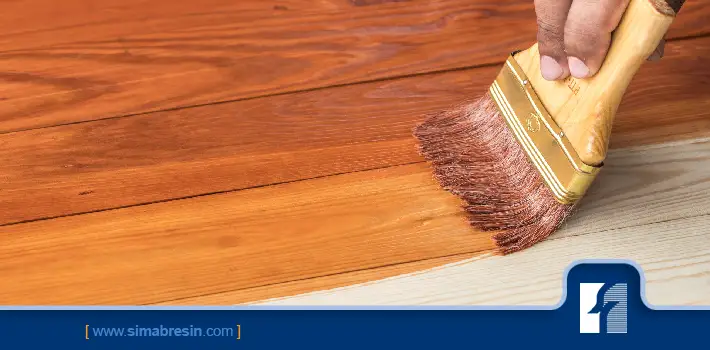
One of the notable aspects of polyurethane coating is that, in addition to protection, it improves the beauty of the wood. The finish is typically transparent, allowing for a clear view of the wood’s existing pattern and structure, adding depth to the wood. Unlike some coatings, that make wood appear dull or cloudy, polyurethane provides a protective finish that resembles a glass-like glaze that preserves the natural color of wood while enhancing its luster and appeal. For instance, an oil-based polyurethane will give wood a warm amber hue over time, enhancing the grain pattern, which many find visually appealing. Conversely, water-based polyurethanes dry completely clear and retain the original wood color without change. This characteristic is highly desirable for lighter woods or when there is a specific need to retain the exact natural color of the wood. Polyurethane coatings also come with differing gloss levels (matte, semi-gloss, gloss) to adjust the shine of the wood to the user’s individuality or application. With the use of a polyurethane coating, wood can continue to be beautiful and maintain its attractive character over time and despite destructive factors.
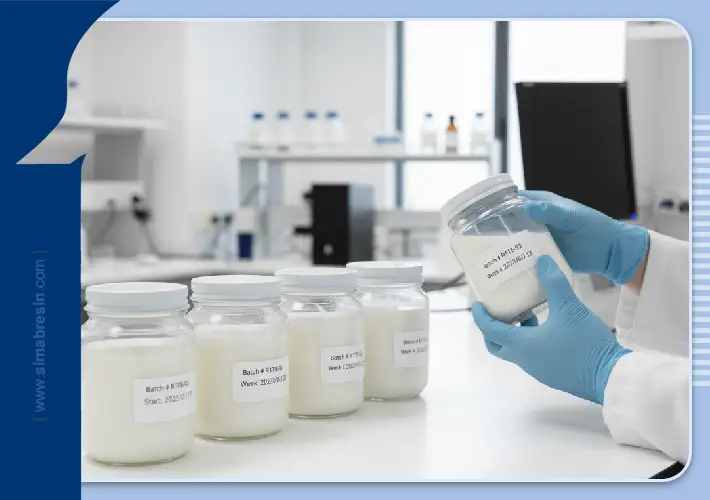
Among the most recently developed and popular types of wood protective finishes, water-based polyurethane coatings are extremely low odor, fast-drying, and an excellent option for enclosed spaces and interior work. When first applied, the coating will generally have a milky or slightly cloudy look to it, and will dry completely clear, allowing full preservation of the wood’s natural appearance with no color change. Another advantage of water-based polyurethanes is their relative environmental friendliness and safety of application, as they contain very little Volatile Organic Compounds (VOC) and harmful vapors, thus requiring much less ventilation than other products. Historically, water-based polyurethanes have been slightly less durable than oil-based products, but improvements in technology have been made in the last decade that has substantially closed the longevity gap. In fact, many of the more modern water-based products are now comparable to oil based products and can be confidently used in almost all indoor applications, including furniture, cabinetry, and flooring. In conclusion, a water-based polyurethane is a contemporary type of product that has the added advantage of both effective protection and manufacturing ease of use, while fully preserving the existing color of the wood.
Oil-based polyurethanes are the older and more common generation of polyurethanes. They are well-known for being highly durable and creating a rich warm gloss. Oil-based polyurethane provides appeal to the wood, as it penetrates deep in the wood’s fibers, and over time takes on a warm amber tone, giving wood a more traditional look. For years, oil-based polyurethane has been one of the most used coatings for high traffic surfaces such as hardwood floors, due to its excellent abrasion and impact resistance. Oil-based polyurethane typically has a little higher solid and produces a thicker layer, resulting in needing to apply fewer coats to achieve the desired coverage. While there are benefits to using oil-based polyurethane as a coating system, there are also drawbacks. Oil based polyurethanes dry slower than the water-base types and create protections that have a strong odor and contain more volatile chemicals compared to the water-based types. It is important to have good ventilation when using oil-based polyurethane and take precautions for proper safety (such as wearing masks and gloves). All in all, when you want maximum mechanical durability and a warm traditional shine, oil-based polyurethane is an excellent system to use, if you can tolerate longer drying time and their extended odor presence.
A good part of the purposes for polyurethane coatings is to protect wood structures and objects in the interior space. Whether it is a hardwood floor, furniture, or cabinetry, there is some form of protective layer required to help keep the items from degrading and maintain any aesthetic. Polyurethane coating is important here, because it can withstand the friction and wear of daily use, and will continue to maintain the luster of these items over a long period of time. For instance, a dining table or living room floor is often exposed to and subject to foot traffic, contact with objects, spills, and other proactive staining using a polyurethane coating as an invisible shield to protect the wood from scratches, food stains, water damage, cleaning chemicals, and even ultraviolet rays of the sun is ideal. Another important issue of indoor spaces is protecting the beauty of the décor itself. Polyurethane preserves the wood’s natural sheen and color while preserving its natural appearance. Both water- and oil-based polyurethane coatings are suitable for indoor use, so the choice between these coatings depends on the goals of the project, as well as the desires of the user. Water-based polyurethane is very convenient for indoor works because it dries quickly and does not smell, while oil-based polyurethane is likely to be selected for additional gloss or slightly better mechanical resistance. Regardless, either option prevents wooden objects and surfaces in indoor locations from losing their beauty over the years. When treating outdoor wood structures or outdoor wood furniture, be sure to use a polyurethane specifically for outdoor use which would have UV protectants and additives to minimize effects from varying weather. When using outdoors, these coatings can protect wood from the sun, rain, and temperature changes, helping to protect the wood’s beauty and durability in outdoor situations.
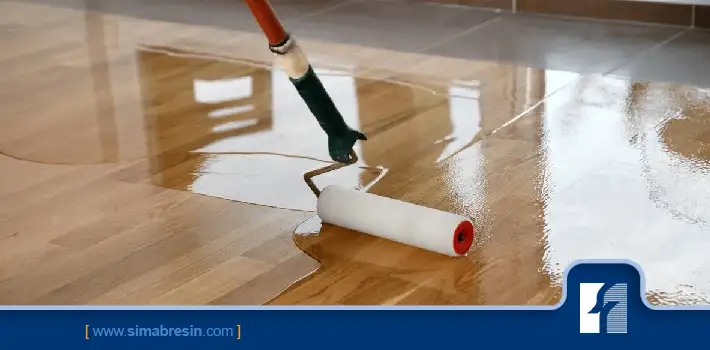
Polyurethane finishes for wood can truly be considered the secret to a wood’s beauty and longevity. It makes and excellent protective layer that protects wood from all sort of damage associated with abrasion, moisture, scratches, etc. In addition, this type of finish enhances the natural beauty of wood – there are three main reasons that wood and décor professionals in the industry consider it the first option. When applied correctly according to the steps outlined, and with the proper selection of each type (water-based or oil-based) for application, it is entirely possible to have wood remain beautiful and long-lasting for years of use.
References