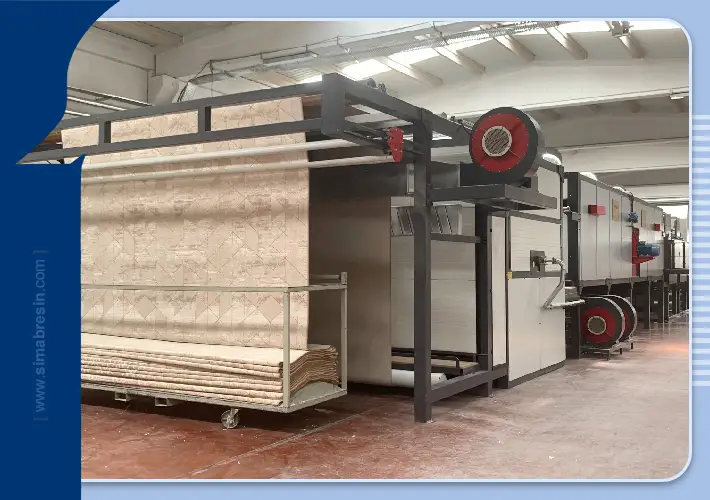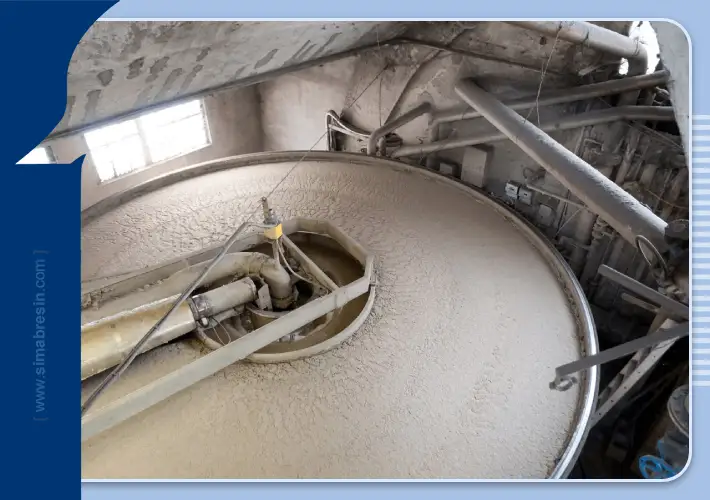
A positive aspect in materials science is the combination of cellulose fibers based on pulp, with waterborne acrylic to build bio-based, sustainable composites. Waterborne acrylics have been known to produce more environmentally friendly products due to low toxicity and not including volatile organic solvent. Combining cellulose with waterborne acrylics can provide cellulose with the top mechanical qualities of a natural fiber like strength and weight, while also providing the film-forming and adhesive properties of acrylic resin. In recent years, several research groups have worked on building cellulose-acrylic composites that reduce potentially harmful materials while maintaining performance. This movement aligns with the larger picture of developing sustainable, biodegradable materials that are currently being highlighted in various aspects of both scientific and industrial communities.
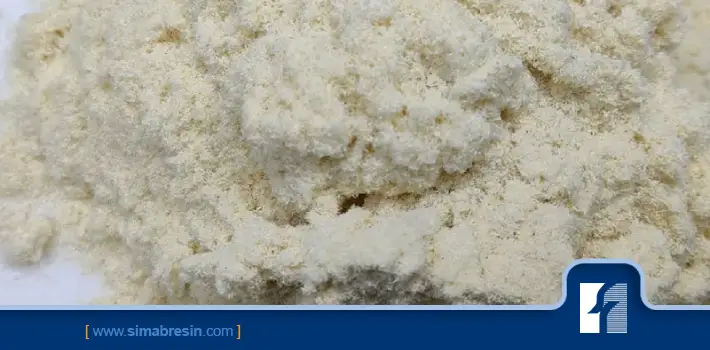
The main hurdle in the design of these composites is the challenge of the chemical incompatibility between cellulose and acrylic polymers. Cellulose is highly hydrophilic, while the majority of acrylic polymers are hydrophobic. The difference in polarity will result in weak bonding between the fibers and the polymer matrix, often resulting in uneven dispersion of the cellulose within the polymer matrix. The results are a mechanically weak composite, which is also vulnerable to defects in the acrylic matrix, such as micro-voids, and a less than optimal optical clarity.
Recent research has highlighted surface treatments to improve compatibility and offer different final properties. As an example, Zha et al. (2024) showed that a cellulose modification process improved the fiber-polymer interactions, resulting in a robust yet transparent composite. Using carboxymethyl cellulose (CMC), Zha et al. (2024) functionalized CMC with hydrophobic quaternary ammonium groups which were then used to coat holocellulose fibers. This surface modification resulted in moderately hydrophobic fibers capable of uniformly dispersing in an acrylic monomer which was photopolymerized into a transparent composite film. The resulting transparent film exhibited light transmittance of 87%, haze of low (~43%), a Young’s modulus of 7.6 GPa and tensile strength of 180 MPa—which are significant increases over typical cellulose composites. This increased performance indicates that it is possible to overcome compatibility problems and create cellulose-acrylic composites for leading-edge applications by fine-duning the cellulose surface chemistry. Further, the approach is comparatively milder on the cellulose than many traditional covalent modifications such as acetylation or graft polymerization and is less cost prohibitive while resulting in less degradation to the cellulose fibers. This opened the potential for thin, strong, and transparent films for next generation flexible optoelectronics or other high technology applications.
The research on renewable construction materials has included waterborne acrylic resins as an alternative to more widely used formaldehyde-based adhesives. Waterborne acrylic resins could overcome the long-term off-gassing of carginogenic formaldehyde common in engineered wood panel products bound with standard urea formaldehyde resins. In a study published in 2022, Chiromito et al. created a truly formaldehyde free composite from wood pulp fibers and cellulose nanofibers and a waterborne acrylic resin. Their method was to mix the cellulose fiber suspension with the acrylic emulsion, flocculate the cellulose, and create a fiber-polymers gel that could be dehydrated and dried in solid board form. They also demonstrated composites with cellulose contents of up to 75% by weight. Thin section SEM images showed well-dispersed cellulose fibers in the bulk polymer matrix. These nanocomposite cellulose-acrylic boards were alsoing to create thermoplastic solid boards that can be thermally reformed, unlike conventional thermoset bound wood panels. These cellulose-rich, free-formaldehyde, eco-friendly boards were technically sound for use as construction panels and also flexible to use as molded parts in automobile interiors. This research is sound and proves that cellulose-acrylic composites can be considered for production and commercial interest.
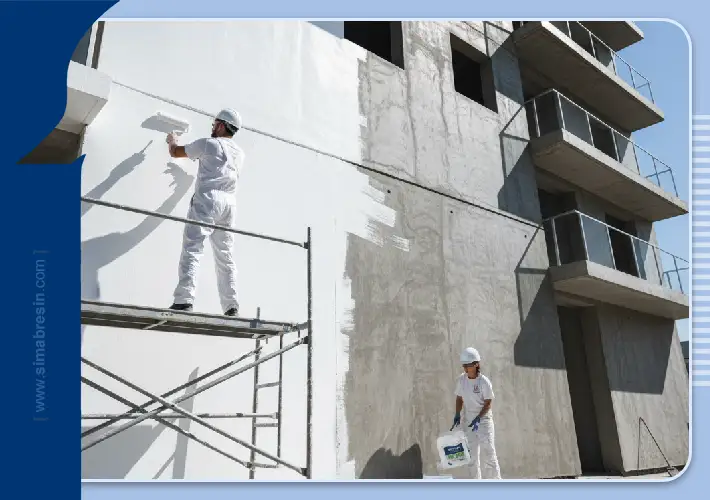
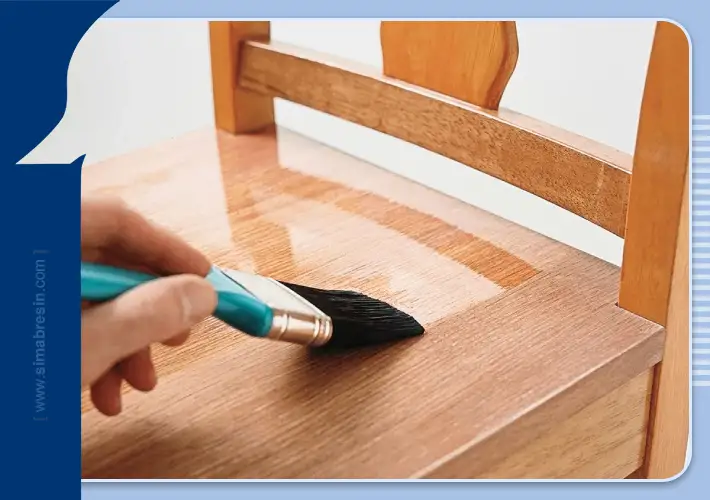
The advantages of combining nanocellulose with waterborne acrylics include benefits to the coatings market also. One strong example here is wood coatings, where the impact of cellulose nanofibers (CNF) was highlighted as improving durability against weathering. In 2021, Shimokawa and colleagues added 1–1.5% CNF to a waterborne acrylic primer, resulting in a notable improvement in performance.
The CNF was produced from wood pulp, and it was mixed in the resin and applied as a transparent primer to wood. The improvements were substantial: the mechanical strength of the film increased and there was improved resistance to cracking. Tensile testing confirmed that CNF provided reinforcement even at low amounts.
In addition, samples made with CNF were thicker and denser than the same solids content acrylic alone, which reduced the oxygen permeability and UV transmittance. This barrier effect provided less oxidative degradation and slower yellowing of the wood. Coated wood samples in pure acrylic resin were discolored by UV exposure due to the oxidation of lignin. However, coated wood samples with CNF preserved the wood’s original color much longer. In effect, CNF acted as a protective shield, extending the lifetime of waterborne coatings in outdoor applications. For paint and coatings manufacturers, this represents a legitimate method to develop longer-lasting, environmentally friendly products.
From transparent composites to eco-friendly fiberboards to high-performance coatings, the integration of cellulose pulp and waterborne acrylic resins is rapidly developing into a major area of innovation. In addition to its environmental advantages—renewable, recyclable, and biodegradable—cellulose is now recognized for its potential to improve functionality in polymer systems. Cellulose pulp, for instance, can add structural strength, develop barriers to resist gas and moisture, or include functionality in the coating system, ranging from UV resistance to CO₂ capture.
While developing composite systems with cellulose pulp still faces some barriers—such as developing complete surface compatibility when interacting and demonstrating cost-effective solutions at scale—research is developing solid solutions to these issues. The use of green chemistry is providing new opportunities for modifying cellulose more efficiently and adapting the pulp into waterborne acrylic systems, leading to a completely new suite of composite materials that meet the needs of different industries for safety, sustainability, and performance.
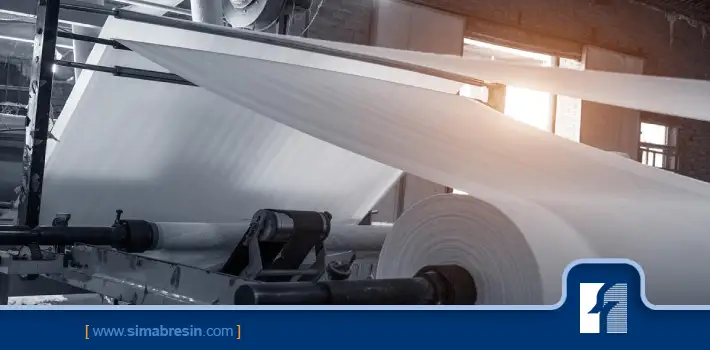
What we can conclude is that now pulp is not just for paper. In the form of nanofibers and nanocrystals, cellulose can be considered an important part of advanced materials. And waterborne acrylic resins are showing tremendous promise as a platform for utilizing cellulose’s capabilities (in the paper and material industry) because of the flexibility associated with their formulations and their benign processing. This process is enabling functional, sustainable paper-based products that can compete with their synthetic counterparts (for sustainability – and technical performance).
References: