

Microcement
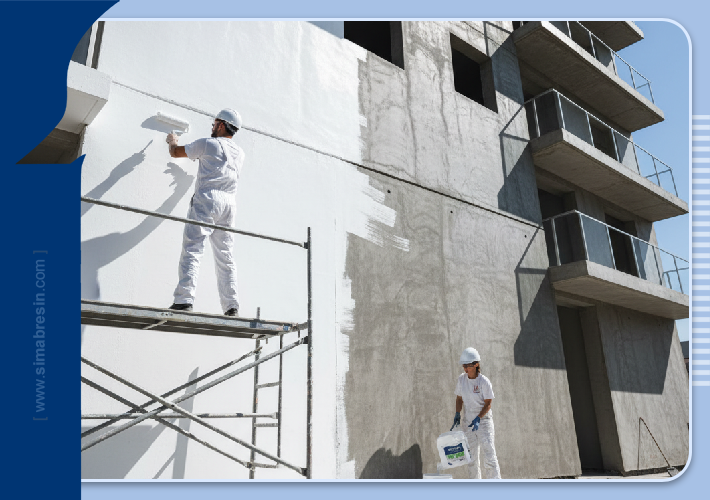
Microcement is a multi-functional and innovative decorative cement-based coating. Due to its thin application depth and high adhesion, it can be applied to different substrates (floors, walls, façades) as a surface finishing coat. Sometimes known as microconcrete or microtopping, microcement consists of a mixture of cement (usually grey or white), very fine aggregates, various polymer resins, and additives. Thanks to its high design flexibility and seamless, joint-free finish, this material has achieved substantial popularity as a rehabilitation solution, as well as for decoration of interiors and exteriors.
Microcement is arguably one of the most significant design advantages for the development of robust adhesion to almost any substrate, enabling application to concrete, tiles, timber, or even existing coatings. From this adhesion and continuity, microcement is left with a hard surface for decorative applications to the degree that high-quality products and correct application would exhibit high resistance to cracking, abrasion, and impact. The combination of these performance characteristics, with a modern and continuous aesthetic finish, has earned micro cement significant popularity in the architectural and interior/exterior design space.
Components of Microcement
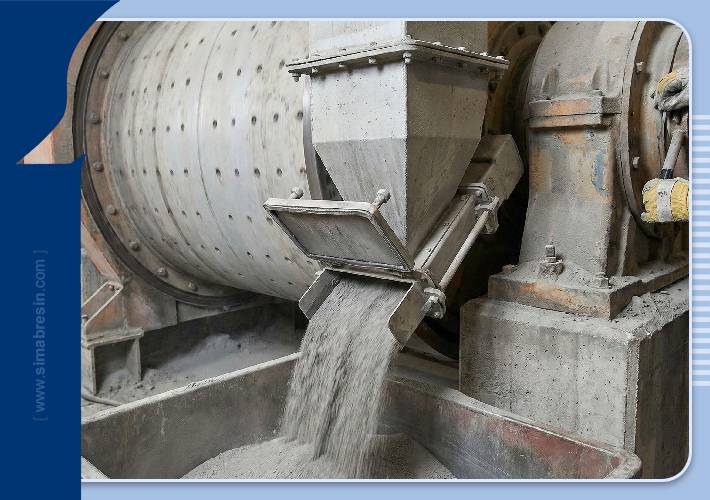
Microcement is supplied as a multiple component system, where each component fulfills a specific technical role. The main one is cement, as the mineral binder with hardening properties. The mix contains very fine mineral fillers (such as stone powder, silica, or calcium carbonate) to help ensure consistency and reduce shrinkage and cracking. One of the other main components is resin, usually as water-based acrylic, as an organic binder and modifier. The addition of acrylic resin also enhances adhesion to the substrate and resilience, thanks to its flexibility within the cement matrix. There will be a range of additives such as plasticizers for workability, setting time regulators, mineral pigments if a range of colors is desired, and sometimes fibers or other microstructure modifiers. The exact formulation of microcement has been adjusted by manufacturers depending on the intended final application, but in general terms we can say that microcement is a cement–polymer composite made from these components.

The Role of Acrylic Resin in Strengthening Cement-Based Coatings
From a materials science perspective, the addition of polymer resins such as acrylic resin to cement mixes genuinely improve their aesthetics, mechanical performance, and durability. There is ample evidence that resin improves the compressive strength and significantly enhances the tensile and flexural strength. The resulting material is more ductile and tougher. An experimental study showed that with only 3% polymer blended into cement mortar, the flexural strength increased by as much as 63% compared to that of the unmodified sample. The role of the polymer in improving flexural resistance and stiffness, and decreasing the brittleness of the matrix cannot be overstated.
Further, the polymer reinforces the bond between the new microcement layer, and the existing substrate material, and altogether creates an enormous increase in adhesion at the interface. Technical reports affirm that water-based acrylic resin will notably enhance the adhesion of the surface to the substrate, while providing a structural internal cohesion, and improving tensile, compressive, and flexural strength. All of these improvements affirm that acrylic resin is serving as a very effective reinforcement in microcement, incorporating the benefits of an acrylic resin to counter the issues of brittleness and low adhesion associated with cement mortar.
Another important feature of acrylic resins is their flexibility and crack resistance in cement-based coatings. Once dry, the polymer particles create a continuous polymeric film in the cement, averting the continuation of microcracks. Put another way, acrylic resin develops polymer “bridges” in the cement matrix, effectively redistributing tensile stresses and permitting small amounts of deformation without cracking. On practical terms, acrylicwithstand crack problems and improve the elastic nature of mortars. Therefore, acrylic-modified microcement can withstand stresses, such as shrinkage stresses from drying or shifts in the substrate, without cracking, which greatly prolongs the life of the coating. The resources of flexibility also contributes to the increased resistance to impacts and vibration; most cement mortars are very brittle, whereas the polymer phase makes them much tougher.
Key Parameters in Selecting the Right Acrylic Resin
Choosing the right polymer resin for a microcement system involves consideration of several important parameters that affect the actual performance of the coating:
- Glass transition temperature (Tg): Tg is the point beyond which the polymer is hard and glassy, and below which it is soft and rubbery. Tg influences the hardness and strength of the modified cement coating directly. As a general rule, polymers with a higher Tg yield harder coatings with greater compressive resistance, while polymers with a lower Tg yield a more flexible coating, but with less vapor permeability (meaning slightly more water). For instance, methyl methacrylate homopolymer has a high Tg and produces a very hard film, while butyl acrylate homopolymer has a low Tg and produces a very soft and flexible film.
- Minimum Film-Forming Temperature (MFFT): This means the lowest temperature at which an emulsion resin can coalesce into a continuous film. If microcement is applied or cured below its MFFT, then the polymer particles will not properly coalesce, resulting in an unbonded, flaky or crackly surface. In other words, the surface will not bond to itself or the original substrate. This is why it is important to ensure that the MFFT of the acrylic resin being used is a lower temperature than the ambient temperature of the project. For cold or winter conditions, you will need to select a resin with a low MFFT or implement compensating strategies such as heating or the use of coalescing solvents. Failing to address MFFT will likely result in the complete failure of the coating.
- Chemical Resistance: Depending on the location of the microcement application, the coating may encounter chemicals (detergents, weak acids, oils, salts, etc.). The resin selected should give reasonable resistance to these substances. Acrylic resins are generally stable to UV and alkalis, and resistant to water and salt solutions- however, acrylic resins may be less resistant to strong organic solvents or very aggressive industrial chemicals than epoxy or polyurethane resins are. For all normal building applications, acrylic performs well, but in other environments where chemical resistance is extremely high (e.g. laboratories or factories), then a hybrid resin such as an epoxy or polyurethane top coat over an acrylic-modified microcement should be considered.
- Environmental Sustainability: Environmental considerations regarding construction materials have come to the forefront over the past several years. Many solvent-based resins contain VOCs (volatile organic compounds) or are made from energy intensive petroleum based raw materials, which is not an environmentally friendly thing to do. Water-based acrylic resins on the other hand are made from water, do not produce any VOCs and no pollution or odour during application. It is urged to consult the technical sheets on the various products and use resins that meet environmental standards as well as being free of harmful products such as aromatic solvents.

Conclusion
Acrylic resins are an essential component in microcement and provide both aesthetic beauty and durability. Acrylic resin provides the ability to create a smooth or seamless finish that is accepted by architects while providing increased adhesion, flexibility, or durability for lasting performance. There are many technical and scientific studies proving that polymer modification of cement mortar can significantly modify performance. It is proven that microcement modified with acrylic can last for years even in harsh conditions without cracking while retaining adhesion and the surface appearance. In comparison to other resin-based systems, acrylic has a superior combination of properties yielding an efficient and versatile option for thin decorative coatings. For this reason, most of the scientific and industrial literature promotes the usage of acrylic latexes as modifiers in the cementitious mortars.
References
https://www.topciment.com/en-us/microcement
https://www.resinflooringcompany.com/the-ultimate-guide-to-the-microcement-materials