

Water-Based Gypsum–Cement Primer
Applying paint on gypsum and cement surfaces without proper preparation can cause problems like peeling paint, inconsistent absorption, and short service life of surface coatings. One of the best ways to prevent such problems is to apply a water based gypsum–cement primer before applying the finish paint. The primer serves as an undercoat which greatly enhances the adhesion of paint on gypsum and cement surfaces. The increased adhesion means better durability and longevity of the paint for the length of time the paint service life. The section that follows examines the need to use a water based primer for gypsum and cement and how it prolongs paint life.
Challenges of Painting Gypsum and Cement Surfaces
Gypsum and cement surfaces are porous and alkaline in nature, which creates challenges for painting. In order to avoid potential damage to the paint film, surfaces that are newly constructed require the application of a protective product to prevent any damaging effects caused by the highly alkaline surfaces of gypsum and cement (freshly formed gypsum and cement surfaces can be highly alkaline with a measured pH as high 13). Alkaline compounds, such as hydroxides, in cement (i.e., calcium hydroxide), may react with paint resins resulting in damaging effects such as alkali burn, discoloration of the paint, or loss of adhesion between the paint film and gypsum. Additionally, moisture trapped in gypsum and cement walls can bring soluble salts to the surface of the substrate from the substrate, leading to efflorescence – white regions that create unsightly stains and reduce the Aesthetic appeal on surfaces and weakened adhesion of paint to the substrate. Therefore, these types of surfaces require sealing and stabilization prior to the application of paint.
The composition of gypsum and the absorption characteristics of cement also make paint challengeable in an uneven manner. Painted surfaces will receive a different gage of paint application at different latitudes on the surface, or more simply said, a finish with different shades of glossy and matte patches; unprepared gypsum surfaces may also have dust or loose particles on or in them that impede paint adhesion. So, overall, if paint is to be applied directly to gypsum or cement surfaces, durability and quality still suffer which gives even a higher likelihood of peeling or blistering to happen just after paint application.
The Function of Water-Based Primer on Gypsum and Cement
Water-based primers are generally made from acrylic or vinyl resins, and are typically used on masonry surfaces to prepare for painting. They perform three functions that are crucial:
Sealing Porous Surfaces: The primer wicks into the pores of gypsum and cement, filling these pores and creating a smooth surface that is uniform and non-absorbing. These benefits reduce the absorption of paint into the substrate, provide a more uniform application with fewer coats, and bind loose particles together to provide a solid foundation for paint adhesion to the surface.
Preventing Alkalinity and Moisture Damage: The better-quality primers will resist alkalis which means it will protect the topcoat from potentially damaging alkaline compounds in cement or plaster. Many modern acrylic primers contain a water-based variety of anti-alkali products designed specifically for use on concrete, gypsum, and masonry surface. A top coat of primer containing anti-alkali properties will help protect against alkalinity found in free lime and concrete. Water-based primers are also a moisture barrier, preventing salt from migrating to the surface and posing a risk of efflorescence.
Stain Blocking and Uniform Base Color: Primers can also block stains that already exist on the surface from rust, smoke, grease or other contaminants leaking into the topcoat. The primer uses stain blocking properties to provide a visually uniform painted surface and preserve intended visual ends.
Benefits of Water-Based Primer for Paint Durability
The cost-benefit of using a water-based primer for gypsum and cement is minimal while the long-term benefits are substantial. Research and field experience show that primers will also produce an improved mechanical bond between paint and substrate which is critical for durability in the long-term. Primed surfaces are more resilient to environmental stresses (temperature fluctuations, humidity, sunlight, frost, etc.) and mechanical stresses and are far less likely to experience cracking or blistering on a deteriorated substrate.
From the durability chemical perspective, the primer layer also provides a barrier for protection against the high pregnancy alkaline attack that will occur when paint is applied to fresh cement. Primers limit or even transcend the breakdown of the resin as paint degrades or yellows under the scaling effects of UV and/or fade from highly alkaline attack by fresh potential cemented or crud wares.
Some primers that are solvent-free even come with added antifungal or antibacterial supplements that cut mold or contaminants making it more hygienically and aesthetically beneficial over time.
There are even potential benefits that can occur from reduced chalking, which may generate the presence of a white powdery substance on painted surfaces that occur from the degradation of a paint resin during weathering. Research illustrates that the use of proper primers prolong chalking resistance by stabilizing residual surface dust and maximizing adhesion of the substrate, keeping a painted surface gloss clean for a lengthier and more assured period.
Application Guidelines for Water-Based Primer on Gypsum and Cement
Several execution steps must be followed for maximum primer effectiveness and paint durability:
Allow for the proper drying and curing: New gypsum or cement must be cured dry (typically 2-4 weeks) before you can apply primer, based on the proprietary materials’ recommendations. The easiest test is to tape a plastic sheet to the surface for 24 hours. If you see condensation, the substrate is still too wet.
Surface cleaning: The surface must be clean and free from dust, loose debris, grease, or any other contaminants. Always avoid acidic cleaning solutions (e.g., vinegar) on gypsum dust as it can damage the substrate. Either brush or wipe using a damp cloth only. Repair any cracks or defects and allow them to dry thoroughly before priming.
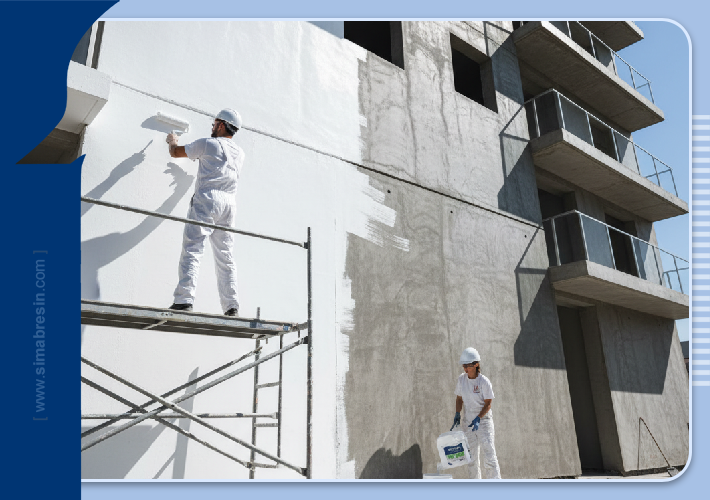
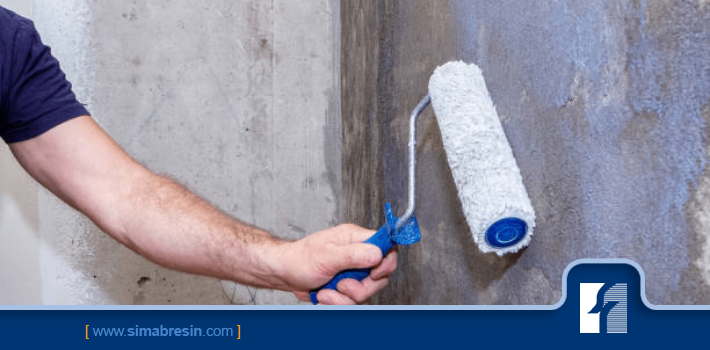
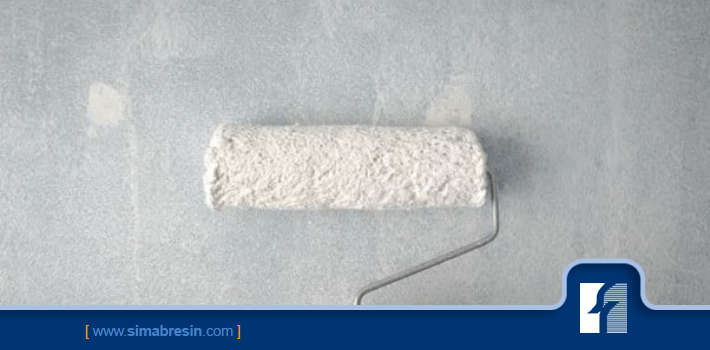
Application of the primer: Apply primer using a brush, roller, or sprayer at an even thickness with full coverage. One coat is typically sufficient. A lot of primers are usually tinted white or light gray for visual purposes to improve coverage. Allow several hours to a full day for drying (depending on product and temperature) before the application of two coats of top paint. As a general recommendation from USG or other technical references, one alkali-resistant primer coat with two topcoats is recommended for the best durability and coverage.
Environmental Conditions: Runoff should take place under moderate conditions, not too cold (under 10 °C), not too hot, and around 50% relative humidity. Provide for good air circulation without having drafts of air blowing directly on the applied surface to allow for even drying.
Conclusion
Special waterborne primers for gypsum and cement substrates are an essential foundation for improving paint durability and quality. They prevent and seal inherent weaknesses such as porosity and alkalinity by saturating into the substrate and creating a barrier, and enable paint to produce an ideal substrate to adhere. Paint will have better bonding, increased mineral and chemical resistance, and last longer. Overall, waterborne gypsum–cement primers are not an impractical extra, but essential to the painting process to a professional that is expected to provide long-lasting high-quality materials. Whether for interior or exterior use, any project on gypsum or cement surfaces should always include water-based primer as a key component of obtaining the best possible durability and finish.
References